A New Era in Multiple Myeloma Treatment: Therapies That Bring Hope
From innovative immunotherapies and targeted drugs to autologous stem cell transplant, manage your disease effectively at the Liv Hospital Myeloma Center of Excellence.
Understanding Multiple Myeloma and Its Modern Treatments
Multiple Myeloma is a blood cancer characterized by the uncontrolled proliferation of plasma cells in the bone marrow. At Liv Hospital, we no longer see this as just a chemotherapy issue. By analyzing the disease's genetic makeup, we combine the most effective methods, including immunotherapies that boost the immune system, smart drugs that target myeloma cells, and autologous stem cell transplants.
Personalized risk stratification with FISH and cytogenetic analyses
Access to next-generation drugs like proteasome inhibitors, IMiDs, and monoclonal antibodies
Multidisciplinary care: Hematology, Radiation Oncology, Nephrology, and Orthopedics
Specialized treatment plans for every stage of the disease (newly diagnosed, relapsed/refractory)
The Right Partner for a Long, Quality Life
The chronic and relapsing nature of Multiple Myeloma requires a long-term treatment strategy and specialized expertise. The goal of the Liv Hospital Myeloma Program is to achieve the deepest and most durable remission possible. We measure your response to treatment using the most sensitive methods, like Minimal Residual Disease (MRD) monitoring, and quickly deploy the latest treatment options in case of relapse.
Benefits:
High-sensitivity MRD monitoring to measure deep remission
Access to the newest drug combinations for relapsed or refractory disease
A dedicated hematology team focused exclusively on Myeloma treatment
An internationally accredited, safe center for autologous stem cell transplant
Your journey begins with a comprehensive evaluation by a Myeloma specialist who will review your complete medical history and prior tests.
Hematology Council Review
Our multidisciplinary team collaborates to analyze your case, confirm the diagnosis, and determine your disease’s risk level
Personalized Plan:
Following the review, an initial, personalized treatment strategy (induction therapy, transplant eligibility) is developed and clearly explained to you.
1–2 Weeks
Treatment Planning & Start
Finalizing Details:
Your definitive treatment protocol, including specific drug combinations and cycle schedules, is finalized based on diagnostic results.
Begin First Cycle:
Your first cycle of induction therapy begins in our specialized hematology unit, aiming to achieve a deep and rapid initial response.
Patient Support:
You are introduced to your dedicated support team, including a case manager, dietitian, and physical therapist, to assist you throughout the process
Ongoing
Treatment & Follow-up
Continuous Monitoring:
We continuously monitor your response to treatment with advanced tools like MRD testing, while providing 24/7 medical supervision.
Symptom Management:
If eligible, you proceed with a high-dose chemotherapy followed by an autologous stem cell transplant to deepen the remission.
Long-Term Support:
After initial therapy, a maintenance treatment plan is established to prolong remission and improve your long-term quality of life with regular follow-ups.
Our Center of Excellence for Myeloma Care
Specialized team
World-Class Oncology Team
Ethical Excellence
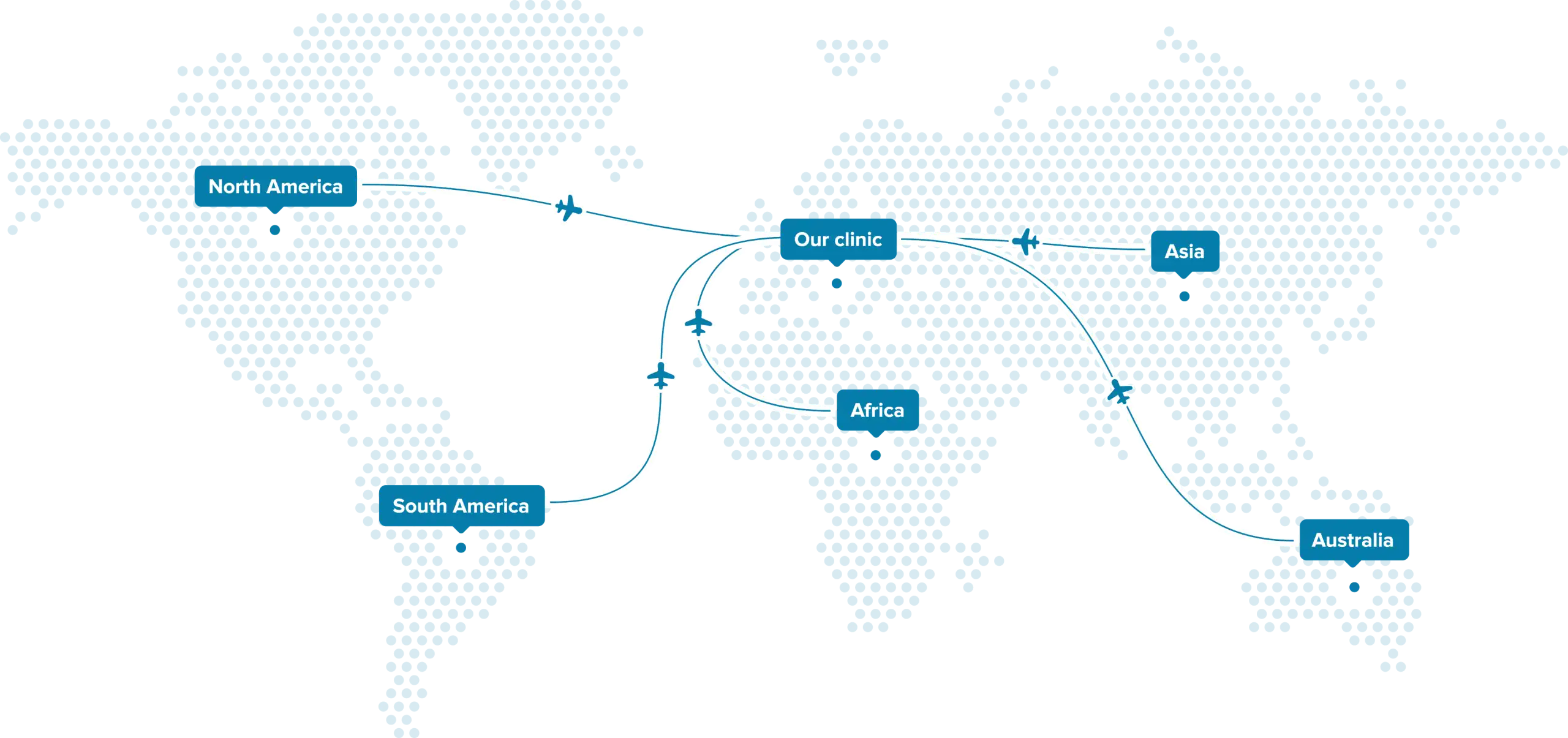
International Patient Services
Luxury & Comfort
Comprehensive Aftercare and Rehabilitation
Why Turkey for Advanced Supportive Care
Global Expertise, Personalized Care
Cost-Effectiveness
Receive access to the same FDA/EMA-approved next-generation drugs and advanced cellular therapies, often at a cost 60-80% less than in the United States, optimizing research budgets.
Expertise
Our internationally recognized oncologists and multidisciplinary tumor boards provide world-class second opinions on complex Phase I/II protocols and personalized research-based treatment plans.
Bypass Wait Times
Bypass the frustrating and potentially harmful delays caused by insurance approvals for novel agents. Start your life-saving clinical research treatment immediately through streamlined internal processes.
Comprehensive Care
Your treatment package includes all medical costs, consultations, and full support from our international research team, ensuring a stress-free journey throughout your complex next-generation clinical regimen.
The Liv Hospital Advantage
Navigating palliative care in the U.S. involves complex insurance issues, limited access, and fragmented services. Liv Hospital offers a clear, compassionate, and comprehensive alternative
Continuous Therapy Pathway (Non-Transplant)
Liv Hospital High-Impact Pathway (Transplant)
Focuses on long-term disease control
Aims for the deepest possible remission (MRD Negativity)
Continuous, lower-intensity drug combinations
High-dose therapy followed by a stem cell transplant
Moderate & sustained intensity
High & intensive upfront treatment
Ideal for older patients or those with other health conditions
Best suited for medically fit and generally younger patients
Ongoing, adaptive therapy timeline
Defined phases: induction, transplant, maintenance
A Higher Standard of Care
"At Liv Hospital, we don't just perform procedures; we create a new standard of care built on trust, transparency, and clinical excellence. Our JCI accreditation is a testament to our commitment to patient safety and quality. We believe that every patient deserves the very best, which is why we offer a seamless, supportive experience from your first consultation to your full recovery."
“I was lost and overwhelmed after my diagnosis. The oncology team at Liv Hospital was a source of incredible strength and hope. They gave me a personalized treatment plan that made me feel confident, and the support was amazing. I am so grateful for the care I received.”
It’s a procedure where your own healthy stem cells are collected, stored, and then re-infused after you receive high-dose chemotherapy to eliminate myeloma cells.
What does MRD negativity mean?
It means that using highly sensitive tests, no myeloma cells can be detected in your bone marrow. This is the goal of modern therapy and is associated with longer remissions.
Is Multiple Myeloma curable?
While a definitive cure is rare, modern treatments have transformed myeloma into a highly manageable chronic disease, allowing many patients to live long, high-quality lives.
Will I need treatment for the rest of my life?
Most patients will require some form of continuous “maintenance therapy” after their initial treatment to keep the disease in remission for as long as possible.