








































15,000+ international patients trust our check-up programs ⭐⭐⭐⭐⭐

Comprehensive Health Check-Ups in Istanbul – Europe’s Trusted Destination for Preventive Care

Take charge of your health with a complete medical assessment at LIV Hospital Istanbul – an internationally accredited hospital offering same-day results and world-class expertise.

English Base - Short

Board-Certified Specialists
⭐⭐⭐⭐⭐

Full Body Health Check-Up Packages in Turkey

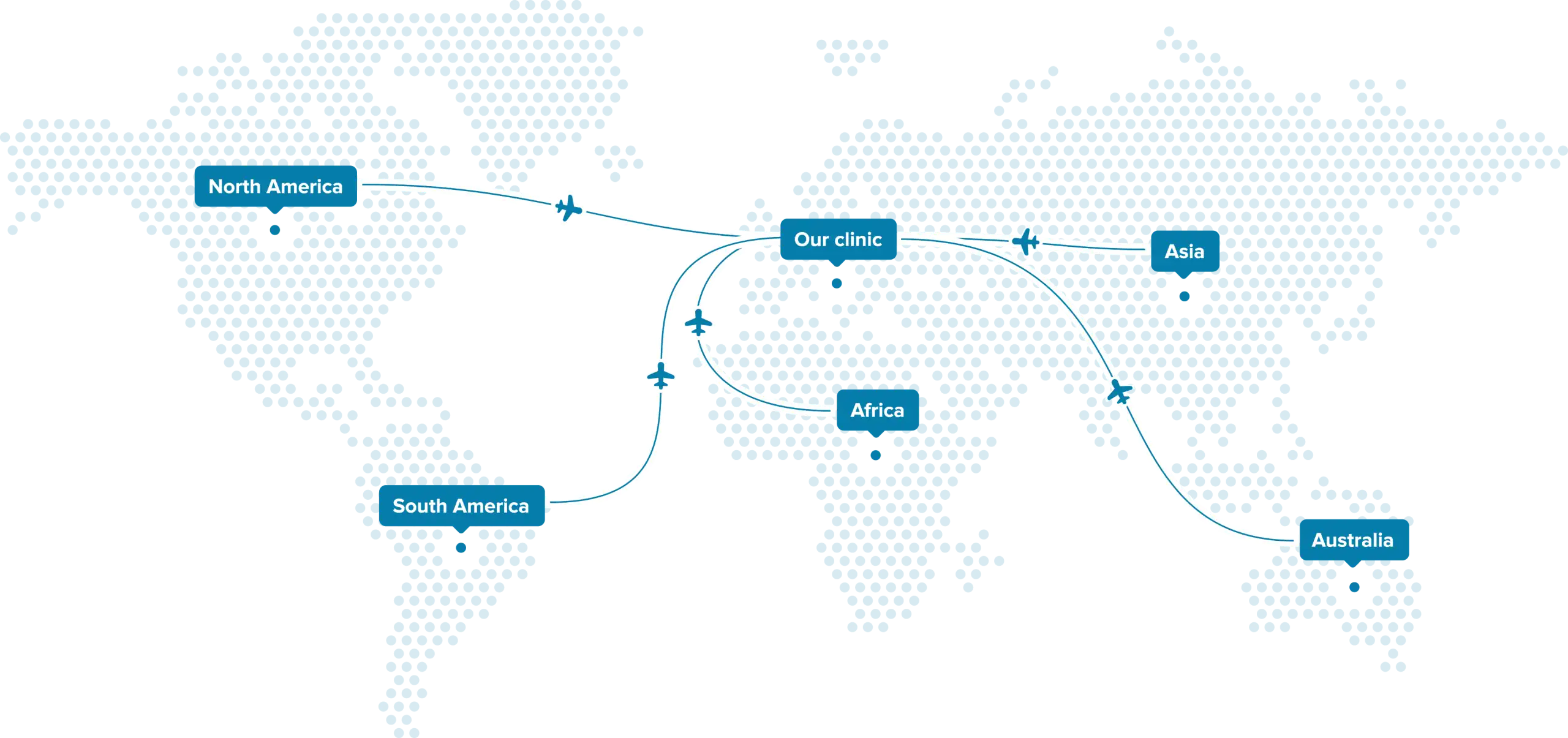
LIV Hospital Istanbul combines advanced diagnostics, European medical standards, and personalized hospitality in one place. Located just a few hours from any major European city, our internationally trained specialists deliver precise results and comprehensive health insights – all within a single day.

Health Check-Up Packages Tailored to Your Needs

Whether you’re looking for a basic preventive check-up or a comprehensive full-body screening, LIV Hospital offers customized programs for every age and lifestyle. Each package includes cutting-edge diagnostics and specialist consultations.

Benefits:

To see the most suitable package, please fill out the form.

Please select a valid form
Check Up Calculator V2

Detect Health Issues Early with Our Personalized Check-Up Packages

We offer complete health screening packages designed for different age groups, lifestyles, and health concerns. Every package includes thorough testing and expert consultation.

Basic Health Check-Up

(Ideal for adults under 40)
  • Blood & metabolic tests
  • ECG & blood pressure measurement
  • Chest X-ray
  • Body composition analysis
  • General physician consultation

Executive Check-Up

(Ideal for professionals & adults 40+)
  • All Basic tests included
  • Cardiac stress test & echocardiography
  • Abdominal ultrasound
  • Thyroid & hormone screening
  • Hormonal & vitamin panels

Premium Comprehensive Check-Up

(For a complete evaluation)
  • All Executive tests included
  • Full-body MRI or CT scan
  • Cancer marker panel
  • Bone density scan (DEXA)
  • Gastroenterology & genetic risk consultation

Your Check-Up Journey to Your Full Body Health Check-Up Journey

Before Your Visit

Online

Arrange your check-up quickly and easily at your convenience, either online or via WhatsApp.

You will have a dedicated advisor to guide you through the entire process, answer your questions, and handle all arrangements.

We help with your travel plans, providing support for your accommodation and flight reservations.

During Your Visit

3-4 Hours

Start your check-up journey with a friendly welcome and registration at 8:00 AM.

Swiftly complete all necessary laboratory and imaging examinations, such as blood tests and ultrasounds.

Have one-on-one meetings with relevant specialist doctors for a comprehensive evaluation.

After Your Check-Up

After Your Check-Up (Same-Day Results)

Receive all your results and a comprehensive, personalized health status report on the same day.

Easily access all your medical records and reports digitally whenever you need them.

Have a remote, online follow-up meeting with your doctor after the check-up, if necessary.

Ready to Start Your Check Up

Why Turkey for Advanced Supportive Care

A Seamless Medical Tourism Experience in Istanbul

Airport Transfers

We provide complimentary VIP pickup and drop-off from the airport to ensure a smooth arrival and departure.

Hotel Arrangements

Let us arrange your stay at one of our high-quality partner hotels at preferential rates.

Professional Translation

While our medical staff is fluent in English, professional interpreters for other languages are available to ensure perfect clarity.

Full Coordination

Your dedicated international patient coordinator handles all your appointments and logistics, so you can focus on your health.

Frequently Asked Questions

About Check-Ups

The entire process, from testing to receiving your final results and consultation, is completed in a single day, typically taking about 5-6 hours.
Not at all. Our medical team and your dedicated patient coordinator are fluent in English. Professional interpreters for other languages are also available.
You will receive a comprehensive printed health report in English during your final consultation. You will also be given secure digital access to all your test results and imaging files.
Due to the different healthcare cost structures, we are able to provide the same high-quality care, technology, and expertise at a significantly more accessible price point without compromising on standards.

Our full body check-up includes blood tests, imaging scans, heart screening, organ function tests, cancer markers, and specialist consultations. All tests are performed by certified doctors, ensuring safety and accuracy. Results are shared securely in English or your preferred language within 24 hours.

A full body check-up in Turkey helps detect hidden health issues early, monitors your overall organ function, and prevents serious diseases with timely diagnosis and expert medical guidance. All tests are performed by certified doctors, and results are delivered securely within 24 hours to support quick medical evaluation.

Yes, we support international patients with travel guidance, airport transfers, translation, and accommodation arrangements. Our international patient team ensures a smooth and stress-free experience from arrival to departure. Results are also shared securely in English or other languages within 24 hours.

Full body check-up package prices vary based on the tests included and your medical needs. For an accurate quote, please contact LIV Hospital’s international patient care team. All tests are conducted by certified specialists, and you receive secure, English-language results within 24 hours.

International coordinators respond within 12 hours

Take the First Step Towards Better Health Today

Book Your Check-Up Now

English Base - Long

Secure and confidential
I have read and agree to the terms and conditions.

Let's Talk About Your Health

BUT WAIT, THERE'S MORE...

Leave your phone number and our medical team will call you back to discuss your healthcare needs and answer all your questions.

Let's Talk About Your Health

Our Recommended Check-Up Package

Liv Health Basic Package
300€

Proactively managing your health is the first step toward a long and high-quality life. This basic check-up package is designed to evaluate your body’s essential functions and detect potential health issues at an early stage. Through comprehensive examinations, laboratory, and imaging tests, it aims to provide an important overview of your general health status, allowing you to look to the future with confidence

  • Check-up Examination: A general assessment of your health and interpretation of results by a physician.
  • Dental Examination: Evaluation of oral and dental health and early detection of potential problems.
  • Electrocardiogram (ECG): Measures the electrical activity and rhythm of the heart to screen for possible heart conditions.
Blood Biochemistry
  • Blood Sugar (Glucose): Used for the diagnosis and follow-up of diabetes.
  • Alanine Aminotransferase (ALT – SGPT): An enzyme test that evaluates liver function and potential liver damage.
  • Creatinine: Assesses the kidneys’ blood-filtering ability and general kidney function.
Blood Lipids (Lipid Profile)
  • Cholesterol, Total: Measures the total cholesterol level in the blood; used to determine the risk of cardiovascular diseases.
  • Cholesterol, HDL: Known as “good cholesterol”; plays a protective role in heart health.
  • Cholesterol, LDL: Known as “bad cholesterol”; high levels increase the risk of cardiovascular diseases.
Hematology (Blood Count)
  • Complete Blood Count (Hemogram): Used to screen for anemia, infections, and various blood disorders.
Urine Tests
  • Urinalysis: Used in the evaluation of kidney diseases, urinary tract infections, and some systemic diseases (like diabetes).

Our Recommended Check-Up Package

Liv Shape Advanced Heart Diagnosis Program
1300€

Examining cardiovascular health through advanced tests is Examining cardiovascular health through advanced tests is crucial for preventing potential risks. The Liv Shape crucial for preventing potential risks. The Liv Shape Advanced Cardiac Diagnostic Program includes a general Advanced Cardiac Diagnostic Program includes a general examination, dental examination, laboratory tests, examination, dental examination, laboratory tests, radiological and cardiological examinations, and body radiological and cardiological examinations, and body analysis.

  • Cardiology Examination: A detailed evaluation of your cardiovascular health by a cardiologist.
  • Check-Up Examination: Physical evaluation of your general health status by a doctor and interpretation of the results.
  • Dental Examination: Evaluation of your oral and dental health and early detection of potential problems.
  • Body Analysis: Measurement of your basic body components such as body fat percentage, muscle mass and metabolic rate.
  • CT, Calcium Scoring: It is an advanced screening test that measures calcium deposits (calcification) in the heart vessels using tomography and is used to determine the risk of future heart attacks.
  • Transthoracic Echocardiography (ECHO): This is a heart ultrasound. It examines the structure, valves, and pumping function of the heart in detail.
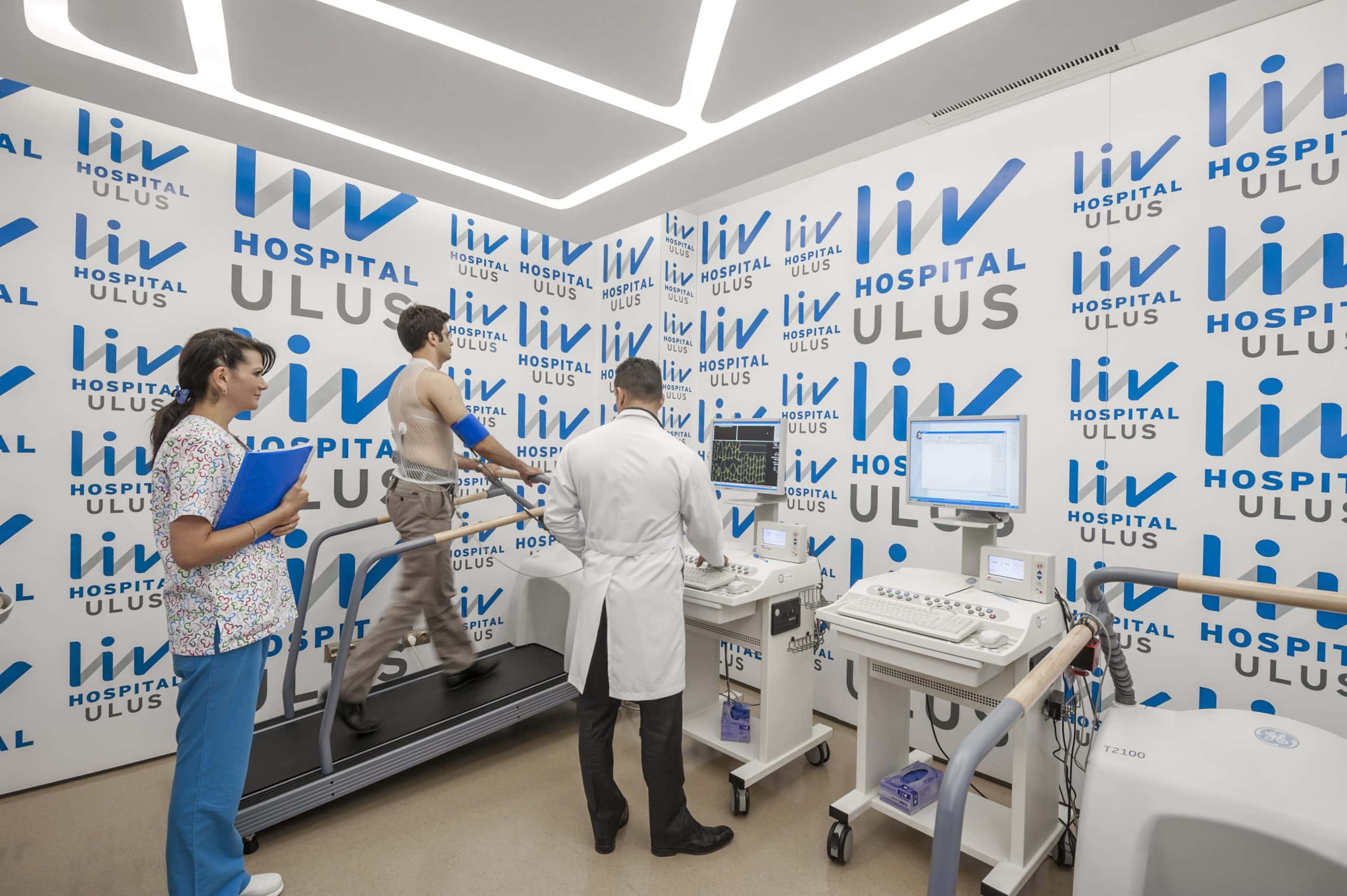
  • Cardiovascular Stress Test (Exercise): An ECG is taken during exercise (treadmill) to investigate how the heart works under load and whether there is coronary artery disease.
  • Intima Media Thickness (IMT) Measurement: Early detection of arteriosclerosis and stroke risk by measuring the wall thickness of the jugular vein (carotid artery) using ultrasound.
  • Cardiac Teleradiography (one-way): A special chest X-ray taken to evaluate the size and shape of the heart.
Blood Fats (Lipid Profile)
  • Cholesterol, Total: Measures the total cholesterol level in the blood.
  • Cholesterol, HDL: “Good cholesterol”; plays a protective role in heart health. Cholesterol, LDL: “Bad cholesterol”; high levels increase the risk of cardiovascular disease.
  • Triglycerides: Another type of fat that circulates in the blood and is associated with the risk of heart disease.
Diabetes Panel
  • Blood Sugar (Glucose): Used for the diagnosis and monitoring of diabetes.
  • Hemoglobin A1c (HbA1c): Shows the average of your blood sugar level for the last 3 months and is important in diabetes risk and follow-up.
  • Insulin: The hormone that regulates blood sugar; used to evaluate insulin resistance.
Biochemistry and Hormone
  • Alanine Aminotransferase (ALT – SGPT): It is an enzyme that evaluates liver functions and possible liver damage.
  • Creatinine: Evaluates the kidneys’ ability to filter blood and overall kidney function.
  • Thyroid Stimulating Hormone (TSH): Used to evaluate the functions and diseases of the thyroid gland (goiter).
Cardiac Risk Marker
  • Micro CRP: A very sensitive test that indicates low-level chronic inflammation in the body and, indirectly, cardiac risk.
Hematology (Blood Count)
  • Complete Blood Count (Hemogram): Used to screen for anemia, infection conditions and various blood diseases.
Urine Tests
  • Complete Urine Examination: Used in the evaluation of kidney diseases, urinary tract infections and some systemic diseases.

Our Recommended Check-Up Package

Liv Shape Plus Advanced Heart Diagnosis Program
2050€

A more comprehensive assessment of heart disease accelerates early diagnosis and treatment. The Liv Shape Plus Advanced Heart Diagnostic Program includes a general examination, dental examination, laboratory tests, radiological and cardiological examinations, and body analysis.

  • Cardiology Examination: A detailed evaluation of your cardiovascular health by a cardiologist.
  • Dental Examination: Evaluation of your oral and dental health and early detection of potential problems.
  • Body Analysis: Measurement of your basic body components such as body fat percentage, muscle mass and metabolic rate.
Advanced Cardiology Imaging and Tests
  • Coronary CT Angiography: Detailed imaging of the vessels feeding the heart (coronary arteries) using computerized tomography, detecting stenosis and plaques.
  • CT, Calcium Scoring: It is an advanced screening test that measures calcium deposits (calcification) in the heart vessels using tomography and is used to determine the risk of future heart attacks.
  • Transthoracic Echocardiography (ECHO): This is a heart ultrasound. It examines the structure, valves, and pumping function of the heart in detail.
  • Cardiovascular Stress Test (Exercise): An ECG is taken during exercise (treadmill) to investigate how the heart works under load and whether there is coronary artery disease.
  • Color Doppler US, Carotid: Ultrasound examination of the neck (carotid) vessels to evaluate stenosis and plaques that may lead to the risk of stroke.
  • Cardiac Teleradiography (one-way): A special chest X-ray taken to evaluate the size and shape of the heart.
Blood Fats and Advanced Cardiac Risk Markers
  • Cholesterol, Total: Measures the total cholesterol level in the blood.
  • Cholesterol, HDL: “Good cholesterol”; plays a protective role in heart health.
  • Cholesterol, LDL: “Bad cholesterol”; high levels increase the risk of cardiovascular disease.
  • Triglycerides: Another type of fat that circulates in the blood and is associated with the risk of heart disease.
  • Lipoprotein a [Lp(a)]: A specific type of cholesterol that is a genetic risk factor for heart disease.
  • Homocysteine: An amino acid whose high levels pose a risk for cardiovascular disease.
  • C Reactive Protein (CRP): It is a sensitive marker that indicates inflammation in the body and indirectly cardiac risk.
Biochemistry and Hormone
  • Alanine Aminotransferase (ALT – SGPT): It is an enzyme that evaluates liver functions and possible liver damage.
  • Creatinine: Evaluates the kidneys’ ability to filter blood and overall kidney function.
  • Thyroid Stimulating Hormone (TSH): Used to evaluate the functions and diseases of the thyroid gland (goiter).
Diabetes Panel
  • Blood Sugar (Glucose): Used for the diagnosis and monitoring of diabetes.
  • Hemoglobin A1c (HbA1c): Shows the average of your blood sugar level for the last 3 months and is important in diabetes risk and follow-up.
  • Insulin: The hormone that regulates blood sugar; used to evaluate insulin resistance.
Hematology (Blood Count)
  • Complete Blood Count (Hemogram): Used to screen for anemia, infection conditions and various blood diseases.
Urine Tests
  • Complete Urine Examination: Used in the evaluation of kidney diseases, urinary tract infections and some systemic diseases.

Our Recommended Check-Up Package

Liv Standard Male
550€

Take comprehensive health screening one step further. This package adds the PSA (Prostate-Specific Antigen) test, critical for men’s health, in addition to detailed ultrasounds and hepatitis screenings. It assesses both your general organ health and specific risk factors

  • Check-Up Examination: Physical evaluation of your general health status by a doctor and interpretation of the results.
  • Dental Examination: Evaluation of your oral and dental health and early detection of potential problems.
  • Body Analysis: Measurement of your basic body components such as body fat percentage, muscle mass and metabolic rate.
  • Lung Radiography (two-way): Detailed evaluation of respiratory system diseases by imaging the lungs and rib cage from two different angles.
  • US, Upper Abdomen (Abdominal Ultrasound): Examination of upper abdominal organs such as the liver, gallbladder, kidneys and pancreas using sound waves.
  • US, Lower Abdomen (Pelvic Ultrasound): Examination of lower abdominal organs such as the bladder and (in men) the prostate.
  • Electrocardiogram (ECG): Screening for possible heart disease by measuring the heart’s electrical activity and rhythm.
Blood Biochemistry
  • Blood Sugar (Glucose): Used for the diagnosis and monitoring of diabetes.
  • Alanine Aminotransferase (ALT – SGPT): It is an enzyme test that evaluates liver function and possible liver damage.
  • Creatinine: Evaluates the kidneys’ ability to filter blood and overall kidney function.
Blood Fats (Lipid Profile)
  • Cholesterol, Total: Measures the total cholesterol level in the blood and is used to determine the risk of cardiovascular diseases.
  • Cholesterol, HDL: Known as “good cholesterol”, it plays a protective role in heart health.
  • Cholesterol, LDL: Known as the “bad cholesterol”, high levels increase the risk of cardiovascular disease.
Hepatitis and Infectious Diseases
  • HBsAg: Used to detect active Hepatitis B infection or carrier status.
  • Anti-HBs: Indicates whether you are immune to hepatitis B (vaccine or past disease).
  • Hepatitis C (HCV) Antigen: Used to screen for hepatitis C virus infection.
Hematology and Inflammation
  • Complete Blood Count (Hemogram): Used to screen for anemia, infection conditions and various blood diseases.
  • Erythrocyte Sedimentation Rate (ESR – Sedimentation): It is used to investigate general infection and inflammatory conditions (inflammation) in the body.
Hormone Tests
  • Thyroid Stimulating Hormone (TSH): Used to evaluate the functions and diseases of the thyroid gland (goiter).
Men’s Health / Tumor Markers
  • Prostate Specific Antigen (PSA) Test: This is a blood test used to evaluate prostate cancer risk and prostate health, especially in men.
Urine Tests
  • Complete Urine Examination: Used in the evaluation of kidney diseases, urinary tract infections and some systemic diseases.

Our Recommended Check-Up Package

Liv Online Male
810€

Detailed check-ups for men contribute to the early detection of diseases. The Liv Online Plus Men’s Check-Up Package includes a detailed general examination, dentistry, ophthalmology, gastroenterology, cardiology, and urology examinations, as well as laboratory tests, radiology and cardiology examinations, and a consultation with a dietitian.

  • Check-Up Examination: Physical evaluation of your general health status by a doctor and interpretation of the results.
  • Cardiology Examination: A detailed evaluation of your cardiovascular health by a cardiologist.
  • Urology Examination: Evaluation of the kidneys, urinary tract and male reproductive health, particularly by a urologist.
  • Chest Examination: An evaluation of your respiratory system and lung health by a specialist.
  • Dental Examination: Evaluation of your oral and dental health and early detection of potential problems.
  • Body Analysis: Measurement of your basic body components such as body fat percentage, muscle mass and metabolic rate.
  • Chest Radiography (PA, single-sided): Evaluation of respiratory system diseases by imaging the lungs and rib cage.
  • US, Upper Abdomen (Abdominal Ultrasound): Examination of upper abdominal organs such as the liver, gallbladder, kidneys and pancreas.
  • US, Lower Abdomen (Pelvic Ultrasound): Examination of lower abdominal organs such as the bladder and (in men) the prostate.
  • US, Thyroid: Used to evaluate the structure, size and possible nodules of the thyroid gland.
  • Electrocardiogram (ECG): Screening for possible heart disease by measuring the heart’s electrical activity and rhythm.
Hematology and Inflammation
  • Complete Blood Count (Hemogram): Used to screen for anemia, infection conditions and various blood diseases.
  • Erythrocyte Sedimentation Rate (ESR – Sedimentation): It is used to investigate general infection and inflammatory conditions (inflammation) in the body.
  • C Reactive Protein (CRP): It is a sensitive marker that shows the status of infection and inflammation in the body.
Diabetes Panel
  • Blood Sugar (Glucose): Used for the diagnosis and monitoring of diabetes.
  • Hemoglobin A1c (HbA1c): Shows the average of your blood sugar level for the last 3 months and is important in diabetes risk and follow-up.
  • Insulin: The hormone that regulates blood sugar; used to evaluate insulin resistance.
Liver and Kidney Functions
  • Alanine Aminotransferase (ALT – SGPT): It is an enzyme that evaluates liver functions and possible liver damage.
  • Aspartate Aminotransferase (AST – SGOT): Helps identify damage to the liver, heart and other muscle tissues.
  • Alkaline Phosphatase (ALP): Provides information about the health of various tissues, especially the liver and bones.
  • Gamma Glutamyl Transferase (GGT): Used to evaluate liver and bile duct health.
  • Creatinine: Evaluates the kidneys’ ability to filter blood and overall kidney function.
  • Uric Acid: Used to assess the risk of gout and kidney dysfunction.
Blood Fats (Lipid Profile)
  • Cholesterol, Total: Measures the total cholesterol level in the blood.
  • Cholesterol, HDL: “Good cholesterol”; plays a protective role in heart health.
  • Cholesterol, LDL: “Bad cholesterol”; high levels increase the risk of cardiovascular disease.
  • Triglycerides: Another type of fat that circulates in the blood and is associated with the risk of heart disease.
Hepatitis and Infectious Diseases
  • HBsAg: Detects active Hepatitis B infection or carrier status.
  • Anti-HBs: Indicates whether you are immune to hepatitis B (vaccine or past disease).
  • Hepatitis C (HCV) Antigen: Used to screen for hepatitis C virus infection.
  • Anti-HIV: Used to screen for HIV, the virus that causes AIDS.
Anemia and Vitamins
  • Ferritin Test: Shows the status of the body’s iron stores and is important in the diagnosis of iron deficiency anemia.
  • Vitamin B12 (Cobalamin): It is a critical vitamin for anemia and nervous system functions.
  • Vitamin B9 (Folic Acid): It is an important vitamin for blood production, cell growth and renewal.
Hormones and Men’s Health
  • Thyroid Stimulating Hormone (TSH): Used to evaluate the functions and diseases of the thyroid gland (goiter).
  • Testosterone, Total: The primary male hormone, important for men’s health, sexual function and overall energy levels.
  • Prostate Specific Antigen (PSA) Test (Total and Free): These are critical markers used in the evaluation of prostate health and especially prostate cancer risk.
Urine Tests
  • Complete Urine Examination: Used in the evaluation of kidney diseases, urinary tract infections and some systemic diseases.

Our Recommended Check-Up Package

Liv Online Plus Male
1460€

Comprehensive check-ups for men are essential for detecting diseases at an early stage. The Liv Online Plus Men’s Check-Up Package features a wide range of controls, including a detailed general examination and consultations in Dentistry, Ophthalmology, Gastroenterology, Cardiology, and Urology. It also includes full laboratory tests, radiological and cardiological evaluations, and a nutritional consultation with a dietitian.

  • Check-Up Examination: Physical evaluation of your general health status by the doctor and interpretation of all results.
  • Cardiology Examination: A detailed evaluation of your cardiovascular health by a cardiologist.
  • Gastroenterology Exam: An evaluation of your stomach, intestines, and digestive system by a specialist.
  • Urology Examination: Evaluation of the kidneys, urinary tract and male reproductive health, particularly by a urologist.
  • Chest Examination: An evaluation of your respiratory system and lung health by a specialist.
  • Ophthalmology Examination: Visual acuity, eye pressure and general eye health checked by a specialist.
  • Dietitian Examination: Evaluation of your eating habits and body composition.
  • Dental Examination: Evaluation of your oral and dental health and early detection of potential problems.
  • Check-Up Examination: Physical evaluation of your general health status by the doctor and interpretation of all results.
  • Cardiology Examination: A detailed evaluation of your cardiovascular health by a cardiologist.
  • Gastroenterology Exam: An evaluation of your stomach, intestines, and digestive system by a specialist.
  • Urology Examination: Evaluation of the kidneys, urinary tract and male reproductive health, particularly by a urologist.
  • Chest Examination: An evaluation of your respiratory system and lung health by a specialist.
  • Ophthalmology Examination: Visual acuity, eye pressure and general eye health checked by a specialist.
  • Dietitian Examination: Evaluation of your eating habits and body composition.
  • Dental Examination: Evaluation of your oral and dental health and early detection of potential problems.
  • Electrocardiogram (ECG): Screening for possible heart disease by measuring the heart’s electrical activity and rhythm.
  • Pulmonary Function Tests (PFTs): Measures the capacity of your lungs and how well they work; used in the diagnosis of diseases such as asthma and COPD.
Hematology and Inflammation
  • Complete Blood Count (Hemogram): Used to screen for anemia, infection conditions and various blood diseases.
  • C Reactive Protein (CRP): It is a sensitive marker that shows the status of infection and iniammation in the body.
Diabetes Panel
  • Blood Sugar (Glucose): Used for the diagnosis and monitoring of diabetes.
  • Hemoglobin A1c (HbA1c): Shows the average of your blood sugar level for the last 3 months and is important in diabetes risk and follow-up.
  • Insulin: The hormone that regulates blood sugar; used to evaluate insulin resistance.
Liver and Kidney Functions
  • Alanine Aminotransferase (ALT – SGPT): It is an enzyme that evaluates liver functions and possible liver damage.
  • Aspartate Aminotransferase (AST – SGOT): Helps identify damage to the liver, heart and other muscle tissues.
  • Alkaline Phosphatase (ALP): Provides information about the health of various tissues, especially the liver and bones.
  • Gamma Glutamyl Transferase (GGT): Used to evaluate liver and bile duct health.
  • Creatinine: Evaluates the kidneys’ ability to filter blood and overall kidney function.
  • Uric Acid: Used to assess the risk of gout and kidney dysfunction.
Blood Fats (Lipid Profile)
  • Cholesterol, Total: Measures the total cholesterol level in the blood.
  • Cholesterol, HDL: “Good cholesterol”; plays a protective role in heart health.
  • Cholesterol, LDL: “Bad cholesterol”; high levels increase the risk of cardiovascular disease.
  • Triglycerides: Another type of fat that circulates in the blood and is associated with the risk of heart disease.
Anemia, Vitamins and Hormones
  • Iron: Measures the level of iron in the blood.
  • Iron Binding Capacity (UIBC): Indicates the body’s capacity to bind and transport iron.
  • Ferritin: Shows the status of the body’s iron stores and is important in the diagnosis of iron deficiency anemia.
  • Thyroid Stimulating Hormone (TSH): Used to evaluate the functions of the thyroid gland (goiter).
  • T4 (Thyroxine), Free: Measures the active (free) form of the primary hormone produced by the thyroid gland.
  • Calcidiol (25-Hydroxyvitamin D): Measures vitamin D levels in the body; important for bone health and immunity.
  • Vitamin B12 (Cobalamin): It is a critical vitamin for anemia and nervous system functions.
  • Vitamin B9 (Folic Acid): It is an important vitamin for blood production, cell growth and renewal.
Men’s Health
  • Testosterone, Total: The primary male hormone, important for men’s health, sexual function and overall energy levels.
  • Prostate Specific Antigen (PSA) Test (Total and Free): These are critical markers used in the evaluation of prostate health and especially prostate cancer risk.
Urine Tests
  • Complete Urine Examination: Used in the evaluation of kidney diseases, urinary tract infections and some systemic diseases.
Hepatitis and Infectious Diseases
  • HBsAg: Detects active Hepatitis B infection or carrier status.
  • Anti-HBs: Indicates whether you are immune to hepatitis B (vaccine or past disease).
  • Hepatitis C (HCV) Antigen: Used to screen for hepatitis C virus infection.
  • Anti-HIV: Used to screen for HIV, the virus that causes AIDS.

Our Recommended Check-Up Package

Liv Online Plus Male (Over 40)
1810€

For men over 40, comprehensive testing is vital for maintaining heart and metabolic health. The Liv Online Plus Men’s Check-Up Package offers a complete assessment, featuring detailed general, Dental, Eye, Gastroenterology, Cardiology, and Urology exams. The package is rounded out with full laboratory work, radiological and cardiological evaluations, and professional nutrition counseling.

  • Check-Up Examination: Physical evaluation of your general health status by the doctor and interpretation of all results.
  • Cardiology Examination: A detailed evaluation of your cardiovascular health by a cardiologist.
  • Gastroenterology Exam: An evaluation of your stomach, intestines, and digestive system by a specialist.
  • Urology Examination: Evaluation of the kidneys, urinary tract and male reproductive health, particularly by a urologist.
  • Chest Examination: An evaluation of your respiratory system and lung health by a specialist.
  • Ophthalmology Examination: Visual acuity, eye pressure and general eye health checked by a specialist.
  • Dietitian Examination: Evaluation of your eating habits and body composition.
  • Dental Examination: Evaluation of your oral and dental health and early detection of potential problems.
  • Chest Radiography (PA, single-sided): Evaluation of respiratory system diseases by imaging the lings and rib cage.
  • Panoramic Film (Teeth): Detailed imaging of all teeth, jaw structure and roots on a single film.
  • US, Upper Abdomen (Abdominal Ultrasound): Examination of upper abdominal organs such as the liver, gallbladder, kidneys and pancreas.
  • US, Lower Abdomen (Pelvic Ultrasound): Examination of lower abdominal organs such as the bladder and (in men) the prostate.
  • US, Thyroid: Used to evaluate the structure, size and possible nodules of the thyroid gland.
  • Electrocardiogram (ECG): Measures the electrical activity and rhythm of the heart (at rest).
  • Cardiovascular Stress Test (Exercise): An ECG is taken during exercise (treadmill) to investigate how the heart works under load and whether there is coronary artery disease.
  • Color Doppler US, Carotid: Ultrasound examination of the neck (carotid) vessels to evaluate stenosis and plaques that may lead to the risk of stroke.
  • CT, Calcium Scoring: It is an advanced screening test that measures calcium deposits (calcification) in the heart vessels using tomography and is used to determine the risk of future heart attacks.
  • Pulmonary Function Tests (PFTs): Measures the capacity of your lungs and how well they work; used in the diagnosis of diseases such as asthma and COPD.
Hematology and Inflammation
  • Complete Blood Count (Hemogram): Used to screen for anemia, infection conditions and various blood diseases.
  • C Reactive Protein (CRP): It is a sensitive marker that shows the status of infection and iniammation in the body.
Diabetes Panel
  • Blood Sugar (Glucose): Used for the diagnosis and monitoring of diabetes.
  • Hemoglobin A1c (HbA1c): Shows the average of your blood sugar level for the last 3 months and is important in diabetes risk and follow-up.
  • Insulin: The hormone that regulates blood sugar; used to evaluate insulin resistance.
Liver and Kidney Functions
  • Alanine Aminotransferase (ALT – SGPT): It is an enzyme that evaluates liver functions and possible liver damage.
  • Aspartate Aminotransferase (AST – SGOT): Helps identify damage to the liver, heart and other muscle tissues.
  • Alkaline Phosphatase (ALP): Provides information about the health of various tissues, especially the liver and bones.
  • Gamma Glutamyl Transferase (GGT): Used to evaluate liver and bile duct health.
  • Creatinine: Evaluates the kidneys’ ability to filter blood and overall kidney function.
  • Uric Acid: Used to assess the risk of gout and kidney dysfunction.
Blood Fats (Lipid Profile)
  • Cholesterol, Total: Measures the total cholesterol level in the blood.
  • Cholesterol, HDL: “Good cholesterol”; plays a protective role in heart health.
  • Cholesterol, LDL: “Bad cholesterol”; high levels increase the risk of cardiovascular disease.
  • Triglycerides: Another type of fat that circulates in the blood and is associated with the risk of heart disease.
Hepatitis and Infectious Diseases
  • HBsAg: Detects active Hepatitis B infection or carrier status.
  • Anti-HBs: Indicates whether you are immune to hepatitis B (vaccine or past disease).
  • Hepatitis C (HCV) Antigen: Used to screen for hepatitis C virus infection.
  • Anti-HIV: Used to screen for HIV, the virus that causes AIDS.
Anemia, Vitamins and Hormones
  • Iron: Measures the level of iron in the blood.
  • Iron Binding Capacity (UIBC): Indicates the body’s capacity to bind and transport iron.
  • Ferritin: Shows the status of the body’s iron stores and is important in the diagnosis of iron deficiency anemia.
  • Thyroid Stimulating Hormone (TSH): Used to evaluate the functions of the thyroid gland (goiter).
  • T4 (Thyroxine), Free: Measures the active (free) form of the primary hormone produced by the thyroid gland.
  • Calcidiol (25-Hydroxyvitamin D): Measures vitamin D levels in the body; important for bone health and immunity.
  • Vitamin B12 (Cobalamin): It is a critical vitamin for anemia and nervous system functions.
  • Vitamin B9 (Folic Acid): It is an important vitamin for blood production, cell growth and renewal.
Men’s Health
  • Testosterone, Total: The primary male hormone, important for men’s health, sexual function and overall energy levels.
  • Prostate Specific Antigen (PSA) Test (Total and Free): These are critical markers used in the evaluation of prostate health and especially prostate cancer risk.
Urine Tests
  • Complete Urine Examination: Used in the evaluation of kidney diseases, urinary tract infections and some systemic diseases.

Our Recommended Check-Up Package

Liv Active Man
1630€

Managing heart and prostate health is essential for men between 50 and 60. The Liv Active Men’s Check-Up Package offers a comprehensive solution with exams in Urology, Cardiology, General Health, Eye, and Dentistry. It also includes full diagnostic screenings (lab & radiology) and nutrition counseling to help you maintain an active life.

  • Check-Up Examination: Physical evaluation of your general health status by the doctor and interpretation of all results.
  • Cardiology Examination: A detailed evaluation of your cardiovascular health by a cardiologist.
  • Gastroenterology Exam: An evaluation of your stomach, intestines, and digestive system by a specialist.
  • Urology Examination: Evaluation of the kidneys, urinary tract and male reproductive health, particularly by a urologist.
  • Chest Examination: An evaluation of your respiratory system and lung health by a specialist.
  • Eye Disease Examination: Visual acuity, eye pressure and general eye health checked by a specialist.
  • Dental Examination: Evaluation of your oral and dental health and early detection of potential problems.
  • Body Analysis: Measurement of your basic body components such as body fat percentage, muscle mass and metabolic rate.
  • Lung Radiography (two-way): Detailed evaluation of respiratory system diseases by imaging the lungs and rib cage from two different angles.
  • Panoramic Film (Teeth): Detailed imaging of all teeth, jaw structure and roots on a single film.
  • US, Upper Abdomen (Abdominal Ultrasound): Examination of upper abdominal organs such as the liver, gallbladder, kidneys and pancreas.
  • US, Lower Abdomen (Pelvic Ultrasound): Examination of lower abdominal organs such as the bladder and (in men) the prostate.
  • US, Thyroid: Used to evaluate the structure, size and possible nodules of the thyroid gland.
  • Electrocardiogram (ECG): Measures the electrical activity and rhythm of the heart (at rest).
  • Cardiovascular Stress Test (Exercise): An ECG is taken during exercise (treadmill) to investigate how the heart works under load and whether there is coronary artery disease.
  • CT, Calcium Scoring: It is an advanced screening test that measures calcium deposits (calcification) in the heart vessels using tomography and is used to determine the risk of future heart attacks.
Hematology and Inflammation
  • Complete Blood Count (Hemogram): Used to screen for anemia, infection conditions and various blood diseases.
  • C Reactive Protein (CRP): It is a sensitive marker that shows the status of infection and iniammation in the body.
Diabetes Panel
  • Blood Sugar (Glucose): Used for the diagnosis and monitoring of diabetes.
  • Hemoglobin A1c (HbA1c): Shows the average of your blood sugar level for the last 3 months and is important in diabetes risk and follow-up.
  • Insulin: The hormone that regulates blood sugar; used to evaluate insulin resistance.
Liver and Kidney Functions
  • Alanine Aminotransferase (ALT – SGPT): It is an enzyme that evaluates liver functions and possible liver damage.
  • Aspartate Aminotransferase (AST – SGOT): Helps identify damage to the liver, heart and other muscle tissues.
  • Alkaline Phosphatase (ALP): Provides information about the health of various tissues, especially the liver and bones.
  • Gamma Glutamyl Transferase (GGT): Used to evaluate liver and bile duct health.
  • Creatinine: Evaluates the kidneys’ ability to filter blood and overall kidney function.
  • CK (Creatine Kinase): It is an enzyme that indicates muscle damage (including heart muscle) and some muscle diseases.
  • Lactate Dehydrogenase (LDH): A general damage marker enzyme found in many tissues in the body.
  • Albumin: An essential protein produced by the liver that indicates the body’s fluid balance and nutrition.
  • Uric Acid: Used to assess the risk of gout and kidney dysfunction.
Blood Fats (Lipid Profile)
  • Cholesterol, Total: Measures the total cholesterol level in the blood.
  • Cholesterol, HDL: “Good cholesterol”; plays a protective role in heart health.
  • Cholesterol, LDL: “Bad cholesterol”; high levels increase the risk of cardiovascular disease.
  • Triglycerides: Another type of fat that circulates in the blood and is associated with the risk of heart disease.
Hepatitis and Infectious Diseases
  • HBsAg: Detects active Hepatitis B infection or carrier status.
  • Anti-HBs: Indicates whether you are immune to hepatitis B (vaccine or past disease).
  • Hepatitis C (HCV) Antigen: Used to screen for hepatitis C virus infection.
  • Anti-HIV: Used to screen for HIV, the virus that causes AIDS.
Anemia, Vitamins and Hormones
  • Ferritin: Shows the status of the body’s iron stores and is important in the diagnosis of iron deficiency anemia.
  • Phosphorus, Inorganic: An important mineral for bone health, energy metabolism and kidney function.
  • Calcium: A critical mineral for bone and tooth health, muscle function and nerve conduction.
  • Calcidiol (25-Hydroxyvitamin D): Measures vitamin D levels in the body; important for bone health and immunity.
  • Vitamin B12 (Cobalamin): It is a critical vitamin for anemia and nervous system functions.
Men’s Health and Hormones
  • Thyroid Stimulating Hormone (TSH): Used to evaluate the functions of the thyroid gland.
  • T4 (Thyroxine), Free: Measures the active (free) form of the primary hormone produced by the thyroid gland.
  • Testosterone, Total: The primary male hormone, important for men’s health, sexual function and overall energy levels.
  • Prostate Specific Antigen (PSA) Test (Total and Free): These are critical markers used in the evaluation of prostate health and especially prostate cancer risk.
  • Sex Hormone Binding Globulin (SHBG): A protein that binds to hormones such as testosterone in the bloodstream and regulates their activity.
Other Tests (Urine and Stool)
  • Complete Urine Examination: Used in the evaluation of kidney diseases, urinary tract infections and some systemic diseases.
  • Fecal Occult Blood (Manual): It is used especially in the early diagnosis of occult bleeding in the stomach and intestines and digestive system cancers.

Our Recommended Check-Up Package

Liv Active Plus Man
2620€

Many diseases in men may not show symptoms at an early stage, so regular health check-ups are of great importance. Liv Aktif Plus Men’s Check-Up Package includes detailed general examination, dentist, otolaryngology, ophthalmology, cardiology, general surgery and urology examinations, as well as laboratory tests, radiological and cardiological examinations and dietitian consultation.

  • Examinations
  • Check-up examination
  • Eye Diseases Examination
  • Dentist Examination
  • Urology Examination
  • Ear, Nose and Throat Diseases Examination
  • Cardiology Examination
  • Dietitian Body Analysis
  • Alkaline Phosphatase (ALP)
  • ALT
  • ANTI-HBsAg
  • Hepatitis C (HCV)
  • AST
  • Creatine Kinase (CK)
  • CRP
  • Ferritin
  • Phosphorus
  • Fecal Occult Blood
  • GGT
  • Glucose
  • Hemoglabin A1c (HbA1c)
  • HBSAG
  • Cholesterol HDL
  • Hemogram
  • ANTI – HIV
  • Complete Urinalysis
  • insulin
  • Cholesterol Total
  • LDH
  • Cholesterol LDL
  • T4 Troxin
  • Triglyceride
  • TSH
  • Uric Acid
  • VIT B12
  • Calcitriol D3
  • Calcium
  • PSA Total
  • PSA Free
  • Sex hormone binding globulin test (SHBG)
  • Albumin
  • Testosterone
  • Creatinine
  • ESR
  • Kalsitriyol d3
  • Homa-ir
  • CT Thorax, Non-contrast
  • USG
  • CT Calcium Scoring
  • Lower Abdomen (pelvic) USG
  • Panoramic Dental X-ray
  • Effort Treadmill: Exertional test for the diagnosis of heart disease
  • Echocardiography (ECHO): Examination of the functioning of the heart muscle and the nervous conduction system
  • EKG

Our Recommended Check-Up Package

Liv Online Male (Over 40)
920€

Screenings for cardiovascular, respiratory, and prostate health improve the quality of life for men over 40. The Liv Online Men’s Check-Up Package includes a detailed general examination, dental, cardiology, pulmonology, and urology examinations, as well as laboratory tests, radiology and cardiology examinations, and a consultation with a dietitian.

  • Check-Up Examination: Physical evaluation of your general health status by a doctor and interpretation of the results.
  • Cardiology Examination: A detailed evaluation of your cardiovascular health by a cardiologist.
  • Urology Examination: Evaluation of the kidneys, urinary tract and male reproductive health, particularly by a urologist.
  • Chest Examination: An evaluation of your respiratory system and lung health by a specialist.
  • Dental Examination: Evaluation of your oral and dental health and early detection of potential problems.
  • Body Analysis: Measurement of your basic body components such as body fat percentage, muscle mass and metabolic rate.
Radiologic Imaging and Vascular Scanning
  • Chest Radiography (PA, single-sided): Evaluation of respiratory system diseases by imaging the lungs and rib cage.
  • US, Upper Abdomen (Abdominal Ultrasound): Examination of upper abdominal organs such as the liver, gallbladder, kidneys and pancreas.
  • US, Lower Abdomen (Pelvic Ultrasound): Examination of lower abdominal organs such as the bladder and (in men) the prostate.
  • US, Thyroid: Used to evaluate the structure, size and possible nodules of the thyroid gland.
  • Color Doppler US, Carotid: Ultrasound examination of the neck (carotid) vessels to evaluate stenosis and plaques that may lead to the risk of stroke.
  • Electrocardiogram (ECG): Screening for possible heart disease by measuring the heart’s electrical activity and rhythm.
  • Cardiovascular Stress Test (Exercise): An ECG is taken during exercise (treadmill) to investigate how the heart works under load and whether there is coronary artery disease.
Hematology and Inflammation
  • Complete Blood Count (Hemogram): Used to screen for anemia, infection conditions and various blood diseases.
  • Erythrocyte Sedimentation Rate (ESR – Sedimentation): It is used to investigate general infection and inflammatory conditions (inflammation) in the body.
  • C Reactive Protein (CRP): It is a sensitive marker that shows the status of infection and inflammation in the body.
Diabetes Panel
  • Blood Sugar (Glucose): Used for the diagnosis and monitoring of diabetes.
  • Hemoglobin A1c (HbA1c): Shows the average of your blood sugar level for the last 3 months and is important in diabetes risk and follow-up.
  • Insulin: The hormone that regulates blood sugar; used to evaluate insulin resistance.
  • Ocular Glycosylated Protein Analysis: It is a specific test that shows the long-term control of diabetes and its effects on tissues.
Liver and Kidney Functions
  • Alanine Aminotransferase (ALT – SGPT): It is an enzyme that evaluates liver functions and possible liver damage.
  • Aspartate Aminotransferase (AST – SGOT): Helps identify damage to the liver, heart and other muscle tissues.
  • Alkaline Phosphatase (ALP): Provides information about the health of various tissues, especially the liver and bones.
  • Gamma Glutamyl Transferase (GGT): Used to evaluate liver and bile duct health.
  • Creatinine: Evaluates the kidneys’ ability to filter blood and overall kidney function.
  • Uric Acid: Used to assess the risk of gout and kidney dysfunction.
Blood Fats (Lipid Profile)
  • Cholesterol, Total: Measures the total cholesterol level in the blood.
  • Cholesterol, HDL: “Good cholesterol”; plays a protective role in heart health.
  • Cholesterol, LDL: “Bad cholesterol”; high levels increase the risk of cardiovascular disease.
  • Triglycerides: Another type of fat that circulates in the blood and is associated with the risk of heart disease.
Hepatitis and Infectious Diseases
  • HBsAg: Detects active Hepatitis B infection or carrier status.
  • Anti-HBs: Indicates whether you are immune to hepatitis B (vaccine or past disease).
  • Hepatitis C (HCV) Antigen: Used to screen for hepatitis C virus infection.
  • Anti-HIV: Used to screen for HIV, the virus that causes AIDS.
Vitamins and Anemia
  • Ferritin: Shows the status of the body’s iron stores and is important in the diagnosis of iron deficiency anemia.
  • Calcidiol (25-Hydroxyvitamin D): Measures vitamin D levels in the body; important for bone health and immunity.
  • Vitamin B12 (Cobalamin): It is a critical vitamin for anemia and nervous system functions.
  • Vitamin B9 (Folic Acid): It is an important vitamin for blood production, cell growth and renewal.
Men’s Health and Hormones
  • Thyroid Stimulating Hormone (TSH): Used to evaluate the functions and diseases of the thyroid gland (goiter).
  • Testosterone, Total: The primary male hormone, important for men’s health, sexual function and overall energy levels.
  • Prostate Specific Antigen (PSA) Test (Total and Free): These are critical markers used in the evaluation of prostate health and especially prostate cancer risk.
Urine Tests
  • Complete Urine Examination: Used in the evaluation of kidney diseases, urinary tract infections and some systemic diseases.

Our Recommended Check-Up Package

Liv Shape Advanced Heart Diagnosis Program
1450$

Examining cardiovascular health through advanced tests is Examining cardiovascular health through advanced tests is crucial for preventing potential risks. The Liv Shape crucial for preventing potential risks. The Liv Shape Advanced Cardiac Diagnostic Program includes a general Advanced Cardiac Diagnostic Program includes a general examination, dental examination, laboratory tests, examination, dental examination, laboratory tests, radiological and cardiological examinations, and body radiological and cardiological examinations, and body analysis.

  • Cardiology Examination: A detailed evaluation of your cardiovascular health by a cardiologist.
  • Check-Up Examination: Physical evaluation of your general health status by a doctor and interpretation of the results.
  • Dental Examination: Evaluation of your oral and dental health and early detection of potential problems.
  • Body Analysis: Measurement of your basic body components such as body fat percentage, muscle mass and metabolic rate.
  • CT, Calcium Scoring: It is an advanced screening test that measures calcium deposits (calcification) in the heart vessels using tomography and is used to determine the risk of future heart attacks.
  • Transthoracic Echocardiography (ECHO): This is a heart ultrasound. It examines the structure, valves, and pumping function of the heart in detail.
  • Cardiovascular Stress Test (Exercise): An ECG is taken during exercise (treadmill) to investigate how the heart works under load and whether there is coronary artery disease.
  • Intima Media Thickness (IMT) Measurement: Early detection of arteriosclerosis and stroke risk by measuring the wall thickness of the jugular vein (carotid artery) using ultrasound.
  • Cardiac Teleradiography (one-way): A special chest X-ray taken to evaluate the size and shape of the heart.
Blood Fats (Lipid Profile)
  • Cholesterol, Total: Measures the total cholesterol level in the blood.
  • Cholesterol, HDL: “Good cholesterol”; plays a protective role in heart health. Cholesterol, LDL: “Bad cholesterol”; high levels increase the risk of cardiovascular disease.
  • Triglycerides: Another type of fat that circulates in the blood and is associated with the risk of heart disease.
Diabetes Panel
  • Blood Sugar (Glucose): Used for the diagnosis and monitoring of diabetes.
  • Hemoglobin A1c (HbA1c): Shows the average of your blood sugar level for the last 3 months and is important in diabetes risk and follow-up.
  • Insulin: The hormone that regulates blood sugar; used to evaluate insulin resistance.
Biochemistry and Hormone
  • Alanine Aminotransferase (ALT – SGPT): It is an enzyme that evaluates liver functions and possible liver damage.
  • Creatinine: Evaluates the kidneys’ ability to filter blood and overall kidney function.
  • Thyroid Stimulating Hormone (TSH): Used to evaluate the functions and diseases of the thyroid gland (goiter).
Cardiac Risk Marker
  • Micro CRP: A very sensitive test that indicates low-level chronic inflammation in the body and, indirectly, cardiac risk.
Hematology (Blood Count)
  • Complete Blood Count (Hemogram): Used to screen for anemia, infection conditions and various blood diseases.
Urine Tests
  • Complete Urine Examination: Used in the evaluation of kidney diseases, urinary tract infections and some systemic diseases.

Our Recommended Check-Up Package

Liv Shape Plus Advanced Heart Diagnosis Program
2200$

A more comprehensive assessment of heart disease accelerates early diagnosis and treatment. The Liv Shape Plus Advanced Heart Diagnostic Program includes a general examination, dental examination, laboratory tests, radiological and cardiological examinations, and body analysis.

  • Cardiology Examination: A detailed evaluation of your cardiovascular health by a cardiologist.
  • Dental Examination: Evaluation of your oral and dental health and early detection of potential problems.
  • Body Analysis: Measurement of your basic body components such as body fat percentage, muscle mass and metabolic rate.
Advanced Cardiology Imaging and Tests
  • Coronary CT Angiography: Detailed imaging of the vessels feeding the heart (coronary arteries) using computerized tomography, detecting stenosis and plaques.
  • CT, Calcium Scoring: It is an advanced screening test that measures calcium deposits (calcification) in the heart vessels using tomography and is used to determine the risk of future heart attacks.
  • Transthoracic Echocardiography (ECHO): This is a heart ultrasound. It examines the structure, valves, and pumping function of the heart in detail.
  • Cardiovascular Stress Test (Exercise): An ECG is taken during exercise (treadmill) to investigate how the heart works under load and whether there is coronary artery disease.
  • Color Doppler US, Carotid: Ultrasound examination of the neck (carotid) vessels to evaluate stenosis and plaques that may lead to the risk of stroke.
  • Cardiac Teleradiography (one-way): A special chest X-ray taken to evaluate the size and shape of the heart.
Blood Fats and Advanced Cardiac Risk Markers
  • Cholesterol, Total: Measures the total cholesterol level in the blood.
  • Cholesterol, HDL: “Good cholesterol”; plays a protective role in heart health.
  • Cholesterol, LDL: “Bad cholesterol”; high levels increase the risk of cardiovascular disease.
  • Triglycerides: Another type of fat that circulates in the blood and is associated with the risk of heart disease.
  • Lipoprotein a [Lp(a)]: A specific type of cholesterol that is a genetic risk factor for heart disease.
  • Homocysteine: An amino acid whose high levels pose a risk for cardiovascular disease.
  • C Reactive Protein (CRP): It is a sensitive marker that indicates inflammation in the body and indirectly cardiac risk.
Biochemistry and Hormone
  • Alanine Aminotransferase (ALT – SGPT): It is an enzyme that evaluates liver functions and possible liver damage.
  • Creatinine: Evaluates the kidneys’ ability to filter blood and overall kidney function.
  • Thyroid Stimulating Hormone (TSH): Used to evaluate the functions and diseases of the thyroid gland (goiter).
Diabetes Panel
  • Blood Sugar (Glucose): Used for the diagnosis and monitoring of diabetes.
  • Hemoglobin A1c (HbA1c): Shows the average of your blood sugar level for the last 3 months and is important in diabetes risk and follow-up.
  • Insulin: The hormone that regulates blood sugar; used to evaluate insulin resistance.
Hematology (Blood Count)
  • Complete Blood Count (Hemogram): Used to screen for anemia, infection conditions and various blood diseases.
Urine Tests
  • Complete Urine Examination: Used in the evaluation of kidney diseases, urinary tract infections and some systemic diseases.

Our Recommended Check-Up Package

Liv Standard Female
540€

Go beyond standard controls. This expanded check-up adds detailed abdominal ultrasounds and Hepatitis B & C screenings to the basic tests. The package provides a comprehensive analysis of your health, offering a roadmap for proactive care and key insights into your internal organs and infectious diseases.

  • Check-up Examination: A general assessment of your health and interpretation of results by a physician.
  • Dentist Examination: Evaluation of oral and dental health and early detection of potential problems.
  • Body Analysis: Measurement of your basic body components, such as body fat percentage, muscle mass, and metabolic rate.
  • Chest Radiography (PA, one-way): Imaging of the lungs and chest cavity to evaluate respiratory system diseases.
  • Electrocardiogram (ECG): Measures the electrical activity and rhythm of the heart to screen for possible heart conditions.
Blood Biochemistry
  • Blood Sugar (Glucose): Used for the diagnosis and follow-up of diabetes.
  • Alanine Aminotransferase (ALT – SGPT): An enzyme test that evaluates liver function and potential liver damage.
  • Creatinine: Assesses the kidneys’ blood-filtering ability and general kidney function
Blood Lipids (Lipid Profile)
  • Cholesterol, Total: Measures the total cholesterol level in the blood; used to determine the risk of cardiovascular diseases.
  • Cholesterol, HDL: Known as “good cholesterol”; plays a protective role in heart health.
  • Cholesterol, LDL: Known as “bad cholesterol”; high levels increase the risk of cardiovascular diseases.
Hematology (Blood Count)
  • Complete Blood Count (Hemogram): Used to screen for anemia, infections, and various blood disorders.
Urine Tests
  • Urinalysis: Used in the evaluation of kidney diseases, urinary tract infections, and some systemic diseases (like diabetes).

Our Recommended Check-Up Package

Liv Online Female
850€

General health screenings and gynecological examinations are important for early diagnosis of diseases in women. The Liv Online Women’s Check-Up Package includes a detailed general examination, dental, cardiology, and gynecology examinations, as well as laboratory tests, radiology, pathology, and cardiology examinations, and a consultation with a dietitian.

  • Check-Up Examination: Physical evaluation of your general health status by a doctor and interpretation of the results.
  • Cardiology Examination: A detailed evaluation of your cardiovascular health by a cardiologist.
  • Obstetrics and Gynaecology Examination: Evaluation of your gynaecological health status and relevant screenings.
  • Chest Examination: An evaluation of your respiratory system and lung health by a specialist.
  • Dental Examination: Evaluation of your oral and dental health and early detection of potential problems.
  • Body Analysis: Measurement of your basic body components such as body fat percentage, muscle mass and metabolic rate.
  • Chest Radiography (PA, single-sided): Evaluation of respiratory system diseases by imaging the lungs and rib cage.
  • Digital Mammography (bilateral): A detailed breast scan using low-dose X-rays used for early detection of breast cancer.
  • US, Breast (bilateral): Examination of breast tissue using sound waves (ultrasound), especially used as an adjunct to mammography.
  • US, Upper Abdomen (Abdominal Ultrasound): Examination of upper abdominal organs such as the liver, gallbladder, kidneys and pancreas.
  • US, Lower Abdomen (Pelvic Ultrasound): Examination of lower abdominal organs such as the bladder, uterus and ovaries.
  • US, Thyroid: Used to evaluate the structure, size and possible nodules of the thyroid gland.
  • Electrocardiogram (ECG): Screening for possible heart disease by measuring the heart’s electrical activity and rhythm.
  • Cervical or Vaginal Cytology (Thin-Prep): It is a modern “Smear test” method used for the early diagnosis of cervical cancer and pre-cancerous lesions.
Hematology and Inflammation
  • Complete Blood Count (Hemogram): Used to screen for anemia, infection conditions and various blood diseases.
  • Erythrocyte Sedimentation Rate (ESR – Sedimentation): It is used to investigate general infection and inflammatory conditions (inflammation) in the body.
  • C Reactive Protein (CRP): It is a sensitive marker that shows the status of infection and inflammation in the body.
Diabetes Panel
  • Blood Sugar (Glucose): Used for the diagnosis and monitoring of diabetes.
  • Hemoglobin A1c (HbA1c): Shows the average of your blood sugar level for the last 3 months and is important in diabetes risk and follow-up.
  • Insulin: The hormone that regulates blood sugar; used to evaluate insulin resistance.
Liver and Kidney Functions
  • Alanine Aminotransferase (ALT – SGPT): It is an enzyme that evaluates liver functions and possible liver damage.
  • Aspartate Aminotransferase (AST – SGOT): Helps identify damage to the liver, heart and other muscle tissues.
  • Alkaline Phosphatase (ALP): Provides information about the health of various tissues, especially the liver and bones.
  • Gamma Glutamyl Transferase (GGT): Used to evaluate liver and bile duct health.
  • Creatinine: Evaluates the kidneys’ ability to filter blood and overall kidney function.
  • Uric Acid: Used to assess the risk of gout and kidney dysfunction.
Blood Fats (Lipid Profile)
  • Cholesterol, Total: Measures the total cholesterol level in the blood.
  • Cholesterol, HDL: “Good cholesterol”; plays a protective role in heart health.
  • Cholesterol, LDL: “Bad cholesterol”; high levels increase the risk of cardiovascular disease.
  • Triglycerides: Another type of fat that circulates in the blood and is associated with the risk of heart disease.
Hepatitis and Infectious Diseases
  • HBsAg: Detects active Hepatitis B infection or carrier status.
  • Anti-HBs: Indicates whether you are immune to hepatitis B (vaccine or past disease).
  • Hepatitis C (HCV) Antigen: Used to screen for hepatitis C virus infection.
  • Anti-HIV: Used to screen for HIV, the virus that causes AIDS.
Anemia and Vitamins
  • Ferritin: Shows the status of the body’s iron stores and is important in the diagnosis of iron deficiency anemia.
  • Vitamin B12 (Cobalamin): It is a critical vitamin for anemia and nervous system functions.
  • Vitamin B9 (Folic Acid): It is an important vitamin for blood production, cell growth and renewal.
Hormone Tests
  • Thyroid Stimulating Hormone (TSH): Used to evaluate the functions and diseases of the thyroid gland (goiter).
Urine Tests
  • Complete Urine Examination: Used in the evaluation of kidney diseases, urinary tract infections and some systemic diseases.

Our Recommended Check-Up Package

Liv Online Plus Female
1460€

Regular check-ups are essential for early diagnosis and protecting your health. The Liv Online Plus Women’s Check Up Package offers a comprehensive solution, ranging from general, dental, eye, and gastroenterology exams to gynecology and cardiology. The package also includes full laboratory tests, radiological screenings, and a dietitian consultation.

  • Check-Up Examination: Physical evaluation of your general health status by the doctor and interpretation of all results.
  • Cardiology Examination: A detailed evaluation of your cardiovascular health by a cardiologist.
  • Gastroenterology Exam: An evaluation of your stomach, intestines, and digestive system by a specialist.
  • Obstetrics and Gynaecology Examination: Evaluation of your gynaecological health status and relevant screenings.
  • Chest Examination: An evaluation of your respiratory system and lung health by a specialist.
  • Ophthalmology Examination: Visual acuity, eye pressure and general eye health checked by a specialist.
  • Dietitian Examination: Evaluation of your eating habits and body composition.
  • Dental Examination: Evaluation of your oral and dental health and early detection of potential problems.
  • Chest Radiography (PA, single-sided): Evaluation of respiratory system diseases by imaging the lings and rib cage.
  • Digital Mammography (bilateral): A detailed breast scan using low-dose X-rays used for early detection of breast cancer.
  • Panoramic Film (Teeth): Detailed imaging of all teeth, jaw structure and roots on a single film.
  • US, Breast (bilateral): Examination of breast tissue using sound waves (ultrasound), especially used as an adjunct to mammography.
  • US, Upper Abdomen (Abdominal Ultrasound): Examination of upper abdominal organs such as the liver, gallbladder, kidneys and pancreas.
  • US, Lower Abdomen (Pelvic Ultrasound): Examination of lower abdominal organs such as the bladder, uterus and ovaries.
  • US, Thyroid: Used to evaluate the structure, size and possible nodules of the thyroid gland.
  • Electrocardiogram (ECG): Screening for possible heart disease by measuring the heart’s electrical activity and rhythm.
  • Pulmonary Function Tests (PFTs): Measures the capacity of your lungs and how well they work; used in the diagnosis of diseases such as asthma and COPD.
  • Cervical or Vaginal Cytology (Thin-Prep): It is a modern “Smear test” method used for the early diagnosis of cervical cancer and pre-cancerous lesions.
Hematology and Inflammation
  • Complete Blood Count (Hemogram): Used to screen for anemia, infection conditions and various blood diseases.
  • C Reactive Protein (CRP): It is a sensitive marker that shows the status of infection and iniammation in the body.
Diabetes Panel
  • Blood Sugar (Glucose): Used for the diagnosis and monitoring of diabetes.
  • Hemoglobin A1c (HbA1c): Shows the average of your blood sugar level for the last 3 months and is important in diabetes risk and follow-up.
  • Insulin: The hormone that regulates blood sugar; used to evaluate insulin resistance.
Liver and Kidney Functions
  • Alanine Aminotransferase (ALT – SGPT): It is an enzyme that evaluates liver functions and possible liver damage.
  • Aspartate Aminotransferase (AST – SGOT): Helps identify damage to the liver, heart and other muscle tissues.
  • Alkaline Phosphatase (ALP): Provides information about the health of various tissues, especially the liver and bones.
  • Gamma Glutamyl Transferase (GGT): Used to evaluate liver and bile duct health.
  • Creatinine: Evaluates the kidneys’ ability to filter blood and overall kidney function.
  • Uric Acid: Used to assess the risk of gout and kidney dysfunction.
Blood Fats (Lipid Profile)
  • Cholesterol, Total: Measures the total cholesterol level in the blood.
  • Cholesterol, HDL: “Good cholesterol”; plays a protective role in heart health.
  • Cholesterol, LDL: “Bad cholesterol”; high levels increase the risk of cardiovascular disease.
  • Triglycerides: Another type of fat that circulates in the blood and is associated with the risk of heart disease.
Hepatitis and Infectious Diseases
  • HBsAg: Detects active Hepatitis B infection or carrier status.
  • Anti-HBs: Indicates whether you are immune to hepatitis B (vaccine or past disease).
  • Hepatitis C (HCV) Antigen: Used to screen for hepatitis C virus infection.
  • Anti-HIV: Used to screen for HIV, the virus that causes AIDS.
Anemia, Vitamins and Hormones
  • Iron: Measures the level of iron in the blood.
  • Iron Binding Capacity (UIBC): Indicates the body’s capacity to bind and transport iron.
  • Ferritin: Shows the status of the body’s iron stores and is important in the diagnosis of iron deficiency anemia.
  • Thyroid Stimulating Hormone (TSH): Used to evaluate the functions of the thyroid gland (goiter).
  • T4 (Thyroxine), Free: Measures the active (free) form of the primary hormone produced by the thyroid gland.
  • Calcidiol (25-Hydroxyvitamin D): Measures vitamin D levels in the body; important for bone health and immunity.
  • Vitamin B12 (Cobalamin): It is a critical vitamin for anemia and nervous system functions.
  • Vitamin B9 (Folic Acid): It is an important vitamin for blood production, cell growth and renewal.
Urine Tests
  • Complete Urine Examination: Used in the evaluation of kidney diseases, urinary tract infections and some systemic diseases.

Our Recommended Check-Up Package

Liv Online Plus Female (Over 40)
1810€

Safeguard your health with early detection. The Liv Online Plus Female (Over 40) Check-Up Package offers comprehensive protection. It includes exams for Gynecology, Cardiology, Gastroenterology, Ophthalmology, Dentistry, and General Health. The package also covers full laboratory and radiological testing, alongside a professional dietitian consultation.

  • Check-Up Examination: Physical evaluation of your general health status by the doctor and interpretation of all results.
  • Cardiology Examination: A detailed evaluation of your cardiovascular health by a cardiologist.
  • Gastroenterology Exam: An evaluation of your stomach, intestines, and digestive system by a specialist.
  • Obstetrics and Gynaecology Examination: Evaluation of your gynaecological health status and relevant screenings.
  • Chest Examination: An evaluation of your respiratory system and lung health by a specialist.
  • Ophthalmology Examination: Visual acuity, eye pressure and general eye health checked by a specialist.
  • Dietitian Examination: Evaluation of your eating habits and body composition.
  • Dental Examination: Evaluation of your oral and dental health and early detection of potential problems.
  • Chest Radiography (PA, single-sided): Evaluation of respiratory system diseases by imaging the lings and rib cage.
  • Digital Mammography (bilateral): A detailed breast scan using low-dose X-rays used for early detection of breast cancer.
  • Panoramic Film (Teeth): Detailed imaging of all teeth, jaw structure and roots on a single film.
  • US, Breast (bilateral): Examination of breast tissue using sound waves (ultrasound), especially used as an adjunct to mammography.
  • US, Upper Abdomen (Abdominal Ultrasound): Examination of upper abdominal organs such as the liver, gallbladder, kidneys and pancreas.
  • US, Lower Abdomen (Pelvic Ultrasound): Examination of lower abdominal organs such as the bladder, uterus and ovaries.
  • US, Thyroid: Used to evaluate the structure, size and possible nodules of the thyroid gland.
  • Electrocardiogram (ECG): Measures the electrical activity and rhythm of the heart (at rest).
  • Cardiovascular Stress Test (Exercise): An ECG is taken during exercise (treadmill) to investigate how the heart works under load and whether there is coronary artery disease.
  • Color Doppler US, Carotid: Ultrasound examination of the neck (carotid) vessels to evaluate stenosis and plaques that may lead to the risk of stroke.
  • CT, Calcium Scoring: It is an advanced screening test that measures calcium deposits (calcification) in the heart vessels using tomography and is used to determine the risk of future heart attacks.
  • Pulmonary Function Tests (PFTs): Measures the capacity of your lungs and how well they work; used in the diagnosis of diseases such as asthma and COPD.
  • Cervical or Vaginal Cytology (Thin-Prep): It is a modern “Smear test” method used for the early diagnosis of cervical cancer and pre-cancerous lesions.
Hematology and Inflammation
  • Complete Blood Count (Hemogram): Used to screen for anemia, infection conditions and various blood diseases.
  • C Reactive Protein (CRP): It is a sensitive marker that shows the status of infection and iniammation in the body.
Diabetes Panel
  • Blood Sugar (Glucose): Used for the diagnosis and monitoring of diabetes.
  • Hemoglobin A1c (HbA1c): Shows the average of your blood sugar level for the last 3 months and is important in diabetes risk and follow-up.
  • Insulin: The hormone that regulates blood sugar; used to evaluate insulin resistance.
Liver and Kidney Functions
  • Alanine Aminotransferase (ALT – SGPT): It is an enzyme that evaluates liver functions and possible liver damage.
  • Aspartate Aminotransferase (AST – SGOT): Helps identify damage to the liver, heart and other muscle tissues.
  • Alkaline Phosphatase (ALP): Provides information about the health of various tissues, especially the liver and bones.
  • Gamma Glutamyl Transferase (GGT): Used to evaluate liver and bile duct health.
  • Creatinine: Evaluates the kidneys’ ability to filter blood and overall kidney function.
  • Uric Acid: Used to assess the risk of gout and kidney dysfunction.
Blood Fats (Lipid Profile)
  • Cholesterol, Total: Measures the total cholesterol level in the blood.
  • Cholesterol, HDL: “Good cholesterol”; plays a protective role in heart health.
  • Cholesterol, LDL: “Bad cholesterol”; high levels increase the risk of cardiovascular disease.
  • Triglycerides: Another type of fat that circulates in the blood and is associated with the risk of heart disease.
Hepatitis and Infectious Diseases
  • HBsAg: Detects active Hepatitis B infection or carrier status.
  • Anti-HBs: Indicates whether you are immune to hepatitis B (vaccine or past disease).
  • Hepatitis C (HCV) Antigen: Used to screen for hepatitis C virus infection.
  • Anti-HIV: Used to screen for HIV, the virus that causes AIDS.
  •  
Anemia, Vitamins and Hormones
  • Iron: Measures the level of iron in the blood.
  • Iron Binding Capacity (UIBC): Indicates the body’s capacity to bind and transport iron.
  • Ferritin: Shows the status of the body’s iron stores and is important in the diagnosis of iron deficiency anemia.
  • Thyroid Stimulating Hormone (TSH): Used to evaluate the functions of the thyroid gland (goiter).
  • T4 (Thyroxine), Free: Measures the active (free) form of the primary hormone produced by the thyroid gland.
  • Calcidiol (25-Hydroxyvitamin D): Measures vitamin D levels in the body; important for bone health and immunity.
  • Vitamin B12 (Cobalamin): It is a critical vitamin for anemia and nervous system functions.
  • Vitamin B9 (Folic Acid): It is an important vitamin for blood production, cell growth and renewal.
Urine Tests
  • Complete Urine Examination: Used in the evaluation of kidney diseases, urinary tract infections and some systemic diseases.

Our Recommended Check-Up Package

Liv Online Children (Over 4)
880€

Regular health screenings during children’s developmental stages help identify potential health problems early. The Liv Online Child Check-Up Package includes a detailed general examination, a dental examination, laboratory tests, radiological and cardiological examinations, and a consultation with a dietitian.

  • Pediatrics Examination: Assessment of your child’s growth, development, vaccination status, and general health by a specialist.
  • Pediatric Cardiology Examination: Evaluation of heart health, murmurs, or congenital heart defects by a specialist.
  • Ophthalmology Examination: Assessment of visual acuity, strabismus, and general eye health.
  • Dental Examination: Evaluation of oral and dental development and cavity risks.
  • Dietitian Examination: Evaluation of nutritional habits and planning for healthy growth.
  • Chest Radiography (P.A.): General evaluation of the lungs and airways.
  • US, Whole Abdominal: Detailed examination of abdominal organs like liver, spleen, and kidneys using sound waves (no radiation).
  • Panoramic Movie (Dental X-Ray): Detailed imaging of all teeth and jaw structure on a single film (important for tracking dental development).

Transthoracic Echocardiography (ECHO): A painless, radiation-free heart ultrasound examining the heart’s structure, chambers, and valves.

Growth, Development & Anemia (Nutritional Status)
  • Complete Blood Count (Hemogram): Basic test showing anemia, infection status, and immune system health.
  • Iron Panel (Iron, UIBC, Ferritin): Measures iron levels and stores; screens for iron deficiency anemia, which is crucial for mental and physical development. Vitamin B12: A critical vitamin for brain development, the nervous system, and blood formation.
  • Vitamin D3 (25-OH-Cholecalciferol): Measures Vitamin D levels, vital for bone development, dental health, and the immune system.
  • Thyroid Stimulating Hormone (TSH): Measures thyroid function; vital for growth and intelligence development.
Infection & Immunity Screening
  • Anti-HBs: Indicates whether immunity to Hepatitis B has developed (usually via vaccination).
  • HBsAg: Checks for Hepatitis B virus carrier status or infection.
  • Anti-HAV IgM: Checks for active Hepatitis A infection.
Organ Functions & Metabolism
  • Liver Enzymes (ALT, AST, GGT): Evaluates liver function, bile ducts, and potential tissue damage.
  • Creatinine: Evaluates kidney function.
  • Fasting Blood Sugar: Checks metabolic status and glucose metabolism.
  • Cholesterol (Total, HDL, LDL): Measures blood lipids to assess genetic or diet-related risks.
  • Urinalysis: Provides information on urinary tract infections and kidney health.

Our Recommended Check-Up Package

Liv Online Children Package (1-4 Years)
880€

Check-ups for children ages 1 to 4 allow for the early detection of developmental delays. The Liv Online Children’s Package includes a detailed general examination, dental examination, laboratory tests, and radiological examinations to support healthy growth and development at an early age.

  • Pediatrics Examination: Assessment of your child’s growth, development, vaccination status, and general health by a specialist.
  • Pediatric Cardiology Examination: Evaluation of heart health, murmurs, or congenital heart defects by a specialist.
  • Ophthalmology Examination: Assessment of visual acuity, strabismus, and general eye health.
  • Dental Examination: Evaluation of oral and dental development and cavity risks.
  • US, Whole Abdominal: Detailed examination of abdominal organs like liver, spleen, and kidneys using sound waves (no radiation).
Growth, Development & Anemia (Nutritional Status)
  • Complete Blood Count (Hemogram): Basic test showing anemia, infection status, and immune system health.
  • Iron Panel (Iron, UIBC, Ferritin): Measures iron levels and stores; screens for iron deficiency anemia, which is crucial for mental and physical development.
  • Vitamin B12 (Cobalamin): A critical vitamin for brain development, the nervous system, and blood formation.
  • Calcidiol (Vitamin D): Measures Vitamin D levels, vital for bone development, dental health, and the immune system.
  • Thyroid Stimulating Hormone (TSH): Measures thyroid function; vital for growth and intelligence development.
Organ Functions & Metabolism
  • Liver Enzymes (ALT, AST, GGT): Evaluates liver function, bile ducts, and potential tissue damage. Anti-HBs: Indicates whether immunity to Hepatitis B has developed (usually via vaccination).
  • HBsAg: Checks for Hepatitis B virus carrier status or infection.
  • Anti-HAV IgG (Hepatitis A): Shows immunity status against Hepatitis A virus.
Infection & Immunity Screening
  • Anti-HBs: Indicates whether immunity to Hepatitis B has developed (usually via vaccination).
  • HBsAg: Checks for Hepatitis B virus carrier status or infection.
  • Urinalysis: Provides information on urinary tract infections and kidney health.

Our Recommended Check-Up Package

Liv Children 1 (Over 4)
920€

Regular check-ups for school-aged children ensure healthy growth. The Liv Kids 1 Check-Up Package supports healthy growth and development at an early age with a detailed general examination, dental examination, pulmonology and pediatric cardiology examinations, as well as laboratory tests, radiology, and cardiology examinations.

  • Pediatrics Examination: Assessment of your child’s growth, development, vaccination status, and general health by a specialist.
  • Pediatric Cardiology Examination: Evaluation of heart health, murmurs, or congenital heart defects by a specialist.
  • Ophthalmology Examination: Assessment of visual acuity, strabismus, and general eye health.
  • Dental Examination: Evaluation of oral and dental development and cavity risks.
  • Chest Radiography (PA, one-way): General evaluation of the lungs and airways.
  • US, Whole Abdominal: Detailed examination of abdominal organs like liver, spleen, and kidneys using sound waves (no radiation).
  • US, Lower Abdominal (Pelvic): Evaluation of the bladder and lower abdominal region.
  • Transthoracic Echocardiography (ECHO): A painless, radiation-free heart ultrasound examining the heart’s structure, chambers, and valves.
Growth, Development & Anemia
  • Complete Blood Count (Hemogram): Basic test showing anemia, infection status, and immune system health.
  • Ferritin: Measures iron stores; crucial for mental and physical development in children.
  • Thyroid Stimulating Hormone (TSH): Measures thyroid function; vital for growth and intelligence development.
Immunity & Hepatitis Screening
  • Anti-HBs: Indicates whether immunity to Hepatitis B has developed (usually via vaccination).
  • HBsAg: Checks for Hepatitis B virus carrier status or infection.
  • Anti-HAV IgG (Hepatitis A): Shows immunity status against Hepatitis A virus.
Liver & Kidney Functions
  • Alanine Aminotransferase (ALT – SGPT): Enzyme evaluating liver function.
  • Aspartate Aminotransferase (AST – SGOT): Enzyme evaluating liver and tissue damage.
  • Gamma Glutamyl Transferase (GGT): Indicates liver and bile duct health.
  • Creatinine: Evaluates kidney function.
  • Urinalysis: Provides information on urinary tract infections and kidney health
Metabolism & Lipids
  • Blood Sugar (Glucose): Measures blood glucose levels.
  • Cholesterol (Total, HDL, LDL): Measures blood lipids to assess genetic or diet-related risks.

Our Recommended Check-Up Package

Liv Children (Under 4)
900€

Regular health checkups, starting in infancy, lay the foundation for lifelong health. The Liv Kids 1 Check-Up Package supports healthy growth and development from an early age with a detailed general examination, dental examination, chest diseases, and pediatric cardiology examinations, as well as laboratory tests, radiology, and cardiology examinations.

  • Pediatrics Examination: Assessment of your child’s growth, development, vaccination status, and general health by a specialist.
  • Pediatric Cardiology Examination: Evaluation of heart health, murmurs, or congenital heart defects by a specialist.
  • Ophthalmology Examination: Assessment of visual acuity, strabismus, and general eye health.
  • Dental Examination: Evaluation of oral and dental development and cavity risks.
  • Echocardiography (pediatric, under 4 years): A painless, radiation-free heart ultrasound examining the heart’s structure, chambers, and valves.
  • Chest Radiography (PA, one-way): General evaluation of the lungs and airways.
  • US, Whole Abdominal: Detailed examination of abdominal organs like liver, spleen, and kidneys without radiation.
  • US, Lower Abdominal (Pelvic): Evaluation of the bladder and lower abdominal region.
Growth, Development & Anemia
  • Complete Blood Count (Hemogram): Basic test showing anemia, infection status, and immune system health.
  • Ferritin: Measures iron stores; crucial for mental and physical development in children.
  • Thyroid Stimulating Hormone (TSH): Measures thyroid function; vital for growth and intelligence development.
Immunity & Hepatitis Screening
  • Anti-HBs: Indicates whether immunity to Hepatitis B has developed (usually via vaccination).
  • HBsAg: Checks for Hepatitis B virus carrier status or infection.
  • Anti-HAV IgG (Hepatitis A): Shows immunity status against Hepatitis A virus.
Liver & Kidney Functions
  • Alanine Aminotransferase (ALT – SGPT): Enzyme evaluating liver function.
  • Aspartate Aminotransferase (AST – SGOT): Enzyme evaluating liver and tissue damage.
  • Gamma Glutamyl Transferase (GGT): Indicates liver and bile duct health.
  • Creatinine: Evaluates kidney function.
  • Urinalysis: Provides information on urinary tract infections and kidney health.
Metabolism & Lipids
  • Blood Sugar (Glucose): Measures blood glucose levels.
  • Cholesterol (Total, HDL, LDL): Measures blood lipids to assess genetic or diet-related risks.