Over 25,500 patients confirm that we offer ⭐⭐⭐⭐⭐ healthcare services.
Organ Transplantation at Liv Hospital
A New Chance at Life
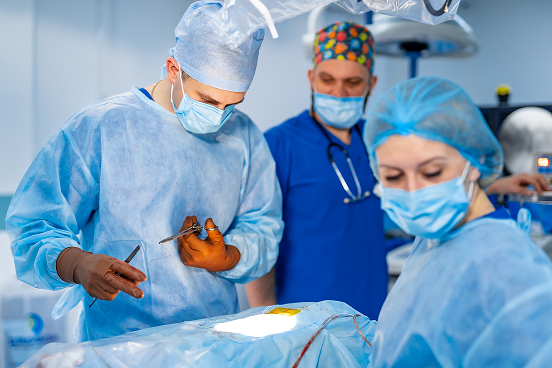
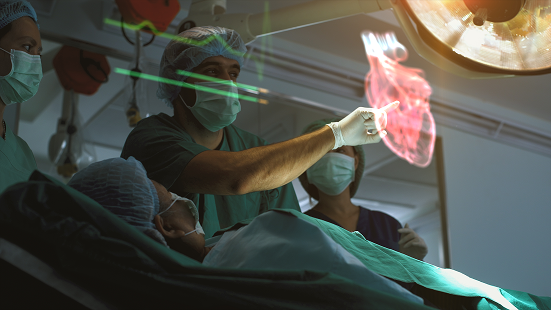
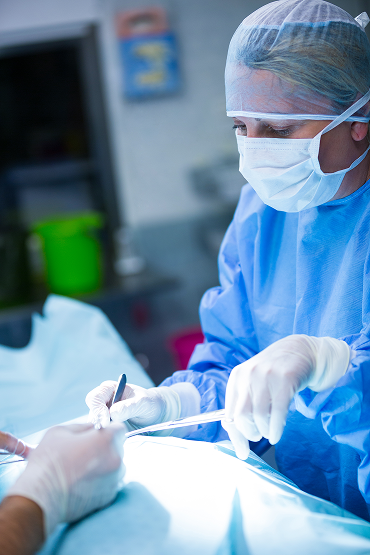
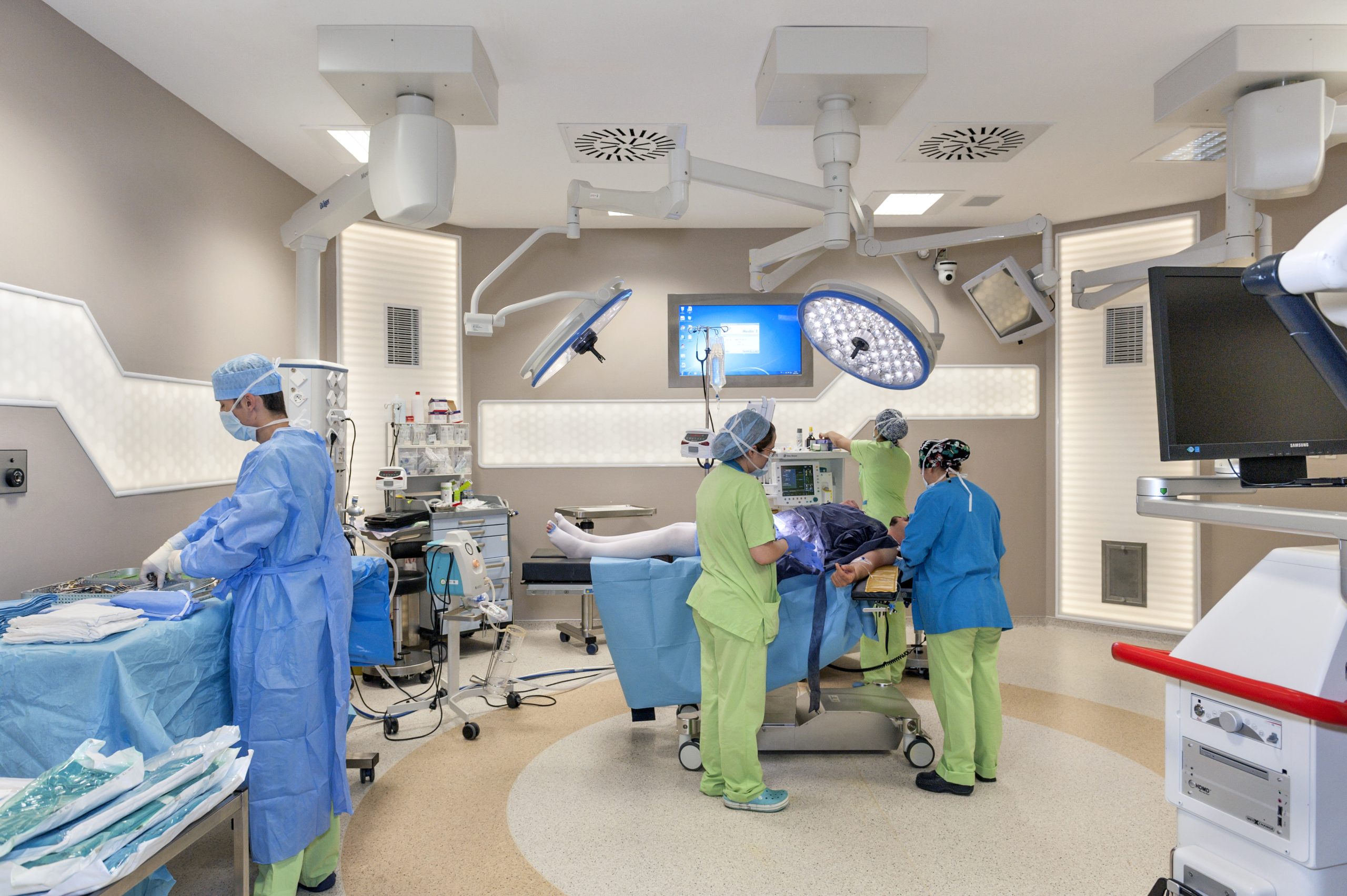
Advanced organ transplant care delivered by experienced multidisciplinary teams, supported by international medical standards and cutting-edge technology.
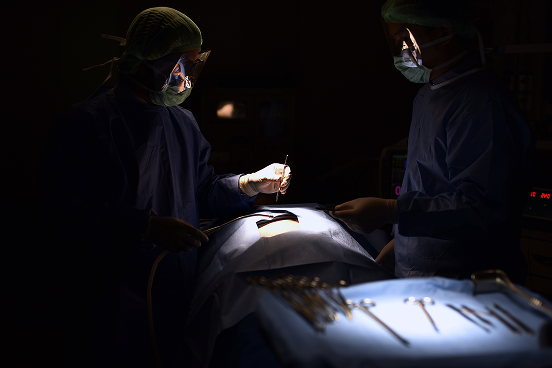
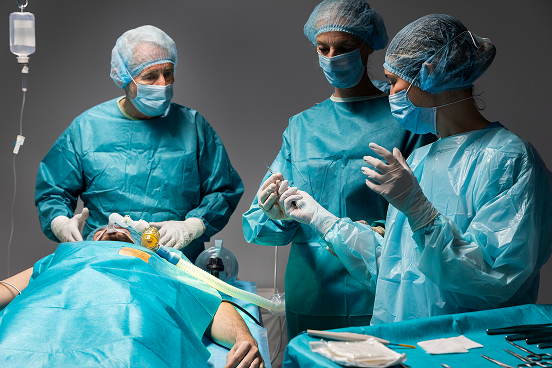
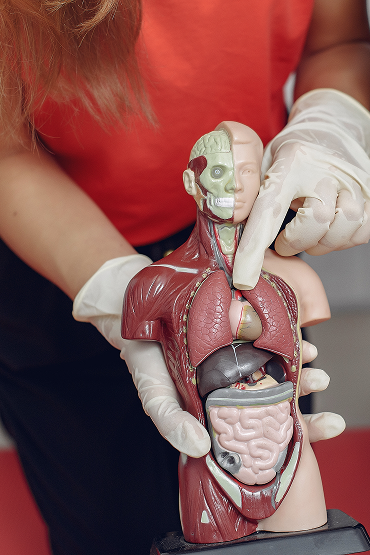
Organ transplantation is a life-saving surgical procedure in which a non-functioning or end-stage organ is replaced with a healthy organ obtained from a living donor or a deceased (cadaver) donor.
The goal of transplantation is to restore vital organ function, prolong life, and significantly improve the patient’s quality of life when no other treatment options remain.
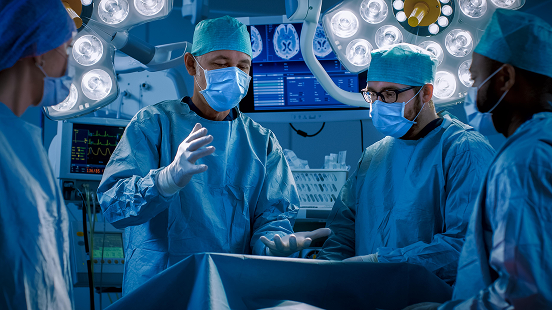
"Our transplant team is led by professors and specialists who are members of ESOT (European Society for Organ Transplantation) and TTS (The Transplantation Society)."
Advanced Surgical Techniques
Multilingual International Team
Zero Compromise on Safety
As a JCI-accredited hospital, we adhere to the strictest global standards for hygiene, sterilization, and patient care.
Why Turkey?
Istanbul: A World-Class Destination for Life-Saving Transplants
Unbeatable Value
Save 50-70% compared to US/UK/German prices due to lower operational costs, not lower quality.
Privacy & Discretion
Recover away from prying eyes in one of the world's most beautiful cities.
All-Inclusive Ease
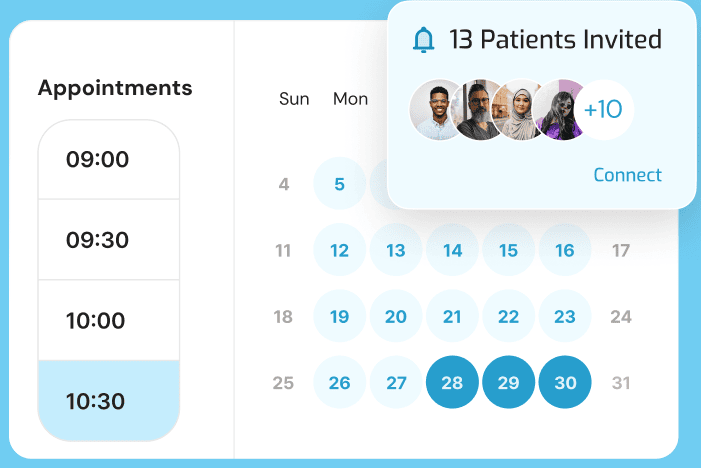
We handle the logistics—hotel, drivers, medication—so you can focus entirely on resting and healing.
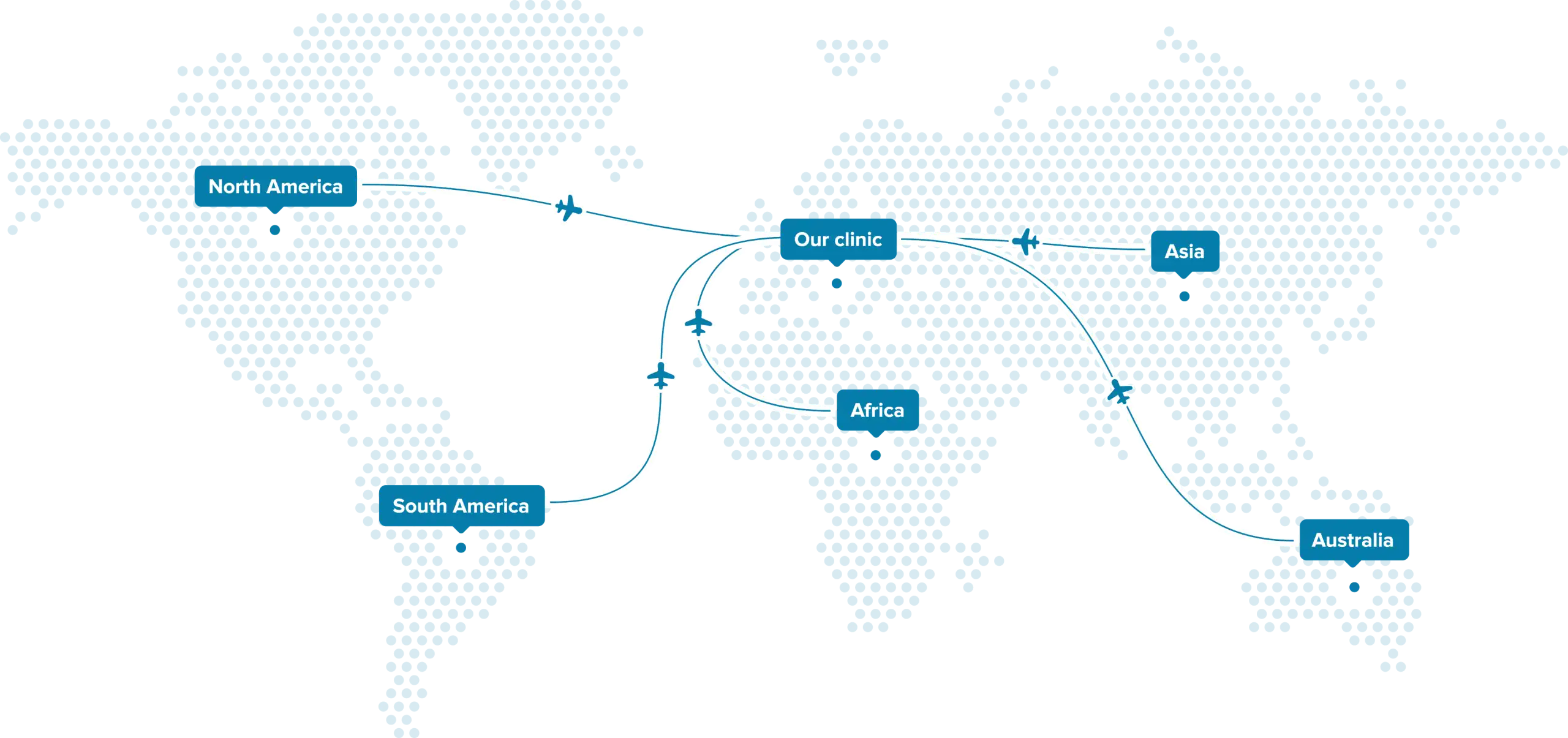
Short Flights
Just 2-3 hours from major USA/European cities and direct flights from major US hubs.
Internationally recognized
Real Results, Real Stories
"Choosing a hospital abroad for a procedure as critical as a transplant was a daunting decision. However, the facilities at Liv Hospital are far more advanced than many leading centers in Europe. The international patient coordinators took away all the stress of the language barrier, and the surgical team’s precision was world-class. My recovery has been so seamless that my friends back home can’t believe I underwent such a major operation. I feel like I’ve been given a second chance at life." – Sarah K., London
"I spent months researching the best place for my transplant, and Liv Hospital exceeded all my expectations. The technology they use is cutting-edge—honestly more modern than what I’ve seen in the States. The medical staff treated me with incredible care, and the results speak for themselves. I’m back to my active lifestyle much sooner than expected, and my local doctors are highly impressed with the surgical outcome. Truly a center of excellence." – Mark T., New York
All surgical procedures involve risks; however, with proper donor–recipient matching, advanced medical protocols, and experienced transplant teams, these risks are significantly minimized.
Can patients return to normal life after transplantation?
Yes. With proper medication adherence, lifestyle adjustments, and regular medical follow-up, most patients return to active and productive lives.
How long does the recovery process take after transplantation?
The initial hospital stay usually lasts a few weeks, depending on the transplanted organ. Full recovery and adaptation may take several months with close medical supervision.
Will I need to take medication for life after a transplant?
Yes. Transplant recipients must take immunosuppressive medications for life to prevent organ rejection and ensure long-term success.
How is donor compatibility determined?
Compatibility is determined through blood type matching, tissue typing, and immunological tests to reduce the risk of rejection and improve transplant outcomes.